Understanding Safety and Security Regulations for Australian Buildings


Introduction to Safety and Security Regulations
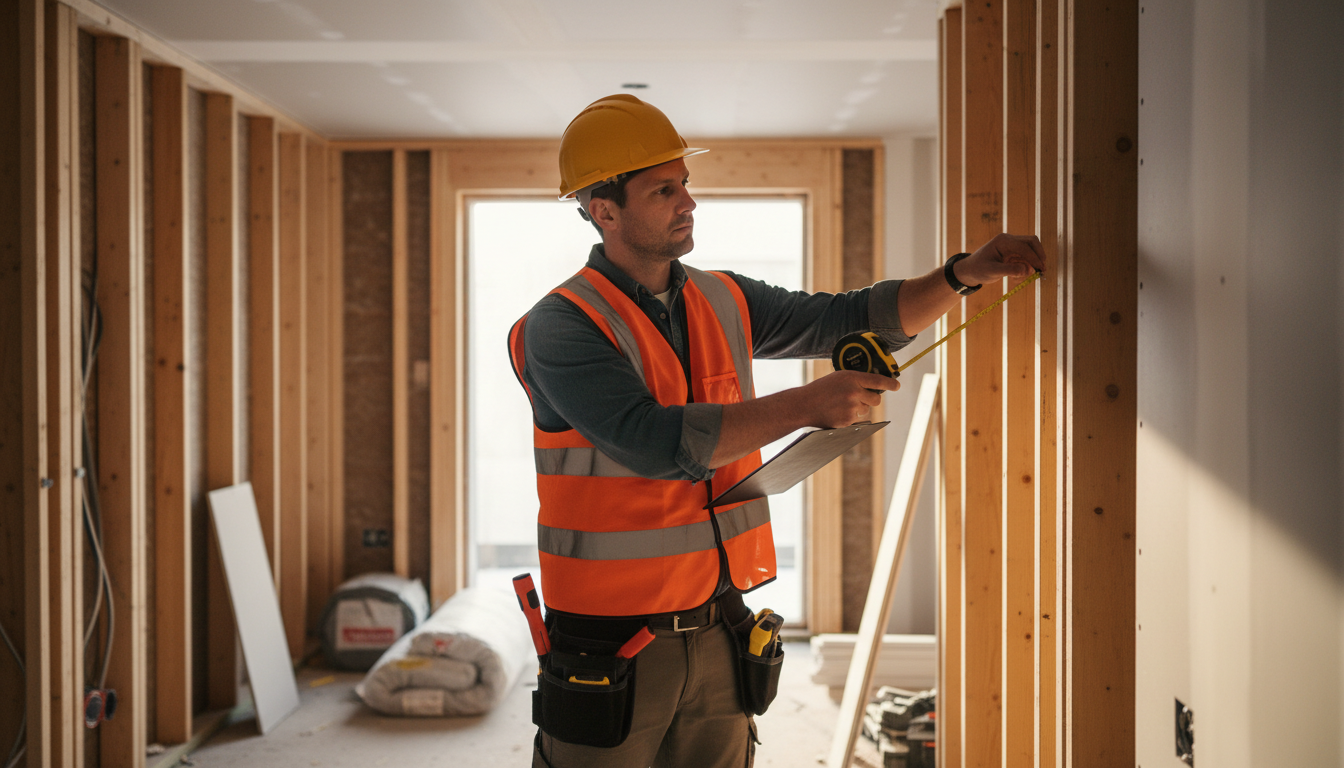
Understanding the safety and security regulations for Australian buildings is crucial for both developers and occupants. These regulations are designed to ensure that all buildings provide a safe environment for their users, minimizing risks associated with structural failures, fires, and other hazards. Adhering to these regulations not only helps in safeguarding lives but also contributes to the longevity of the structures.
Building Codes and Standards
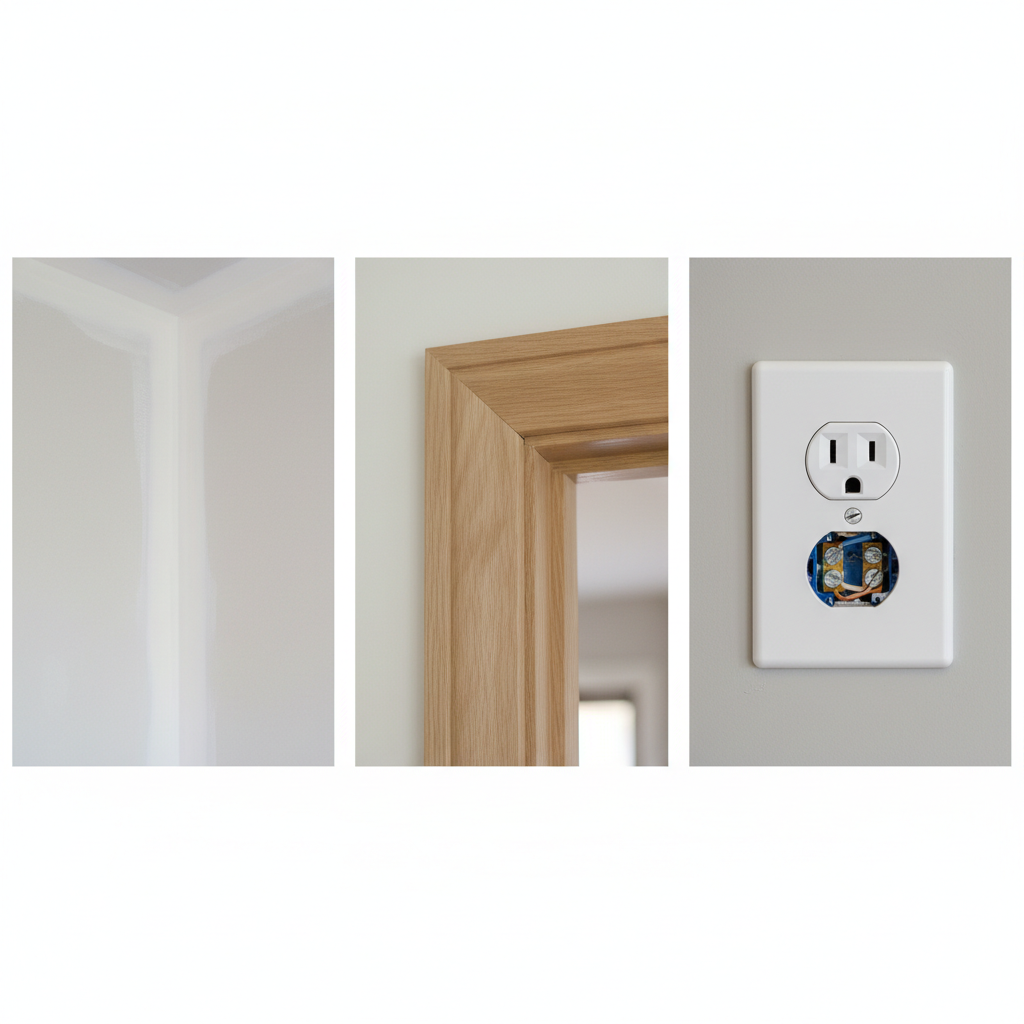
The primary framework governing building safety in Australia is the National Construction Code (NCC). The NCC sets out the minimum requirements for the design, construction, and performance of buildings. It covers various aspects, including structural integrity, fire safety, and accessibility. Compliance with the NCC is mandatory and ensures that buildings meet the expected safety standards.
In addition to the NCC, various Australian Standards offer guidance on specific aspects of building safety. These standards provide detailed specifications and procedures to ensure the safety and security of building components and systems.
Fire Safety Regulations
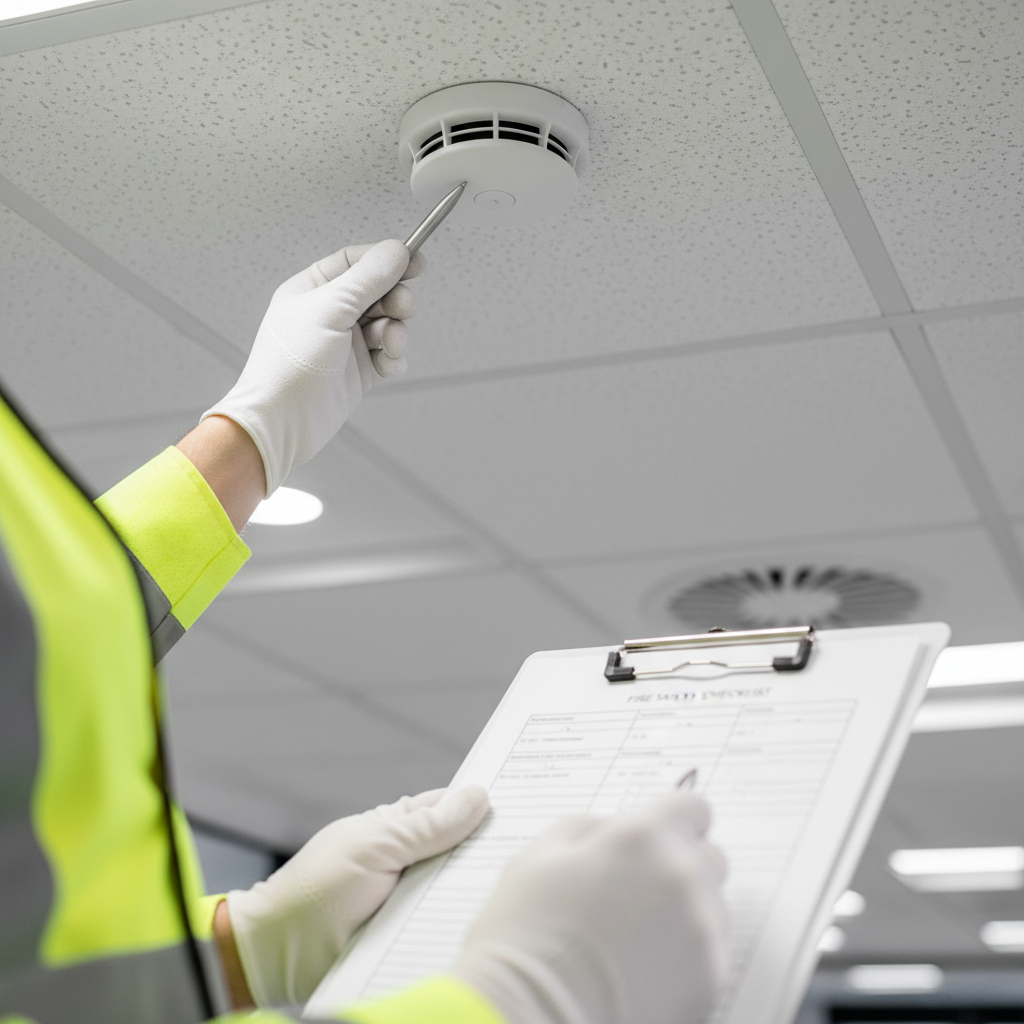
Fire safety is a critical component of building regulations in Australia. The NCC outlines stringent requirements for fire resistance, detection, and suppression systems. This includes the installation of fire alarms, sprinklers, and emergency exits. Regular maintenance and testing of these systems are essential to ensure they function correctly in case of an emergency.
Fire safety regulations also require the use of fire-resistant materials in certain parts of a building to prevent the spread of flames and smoke. Adhering to these regulations is vital in minimizing the impact of fires and ensuring the safety of occupants.
Security Measures for Buildings
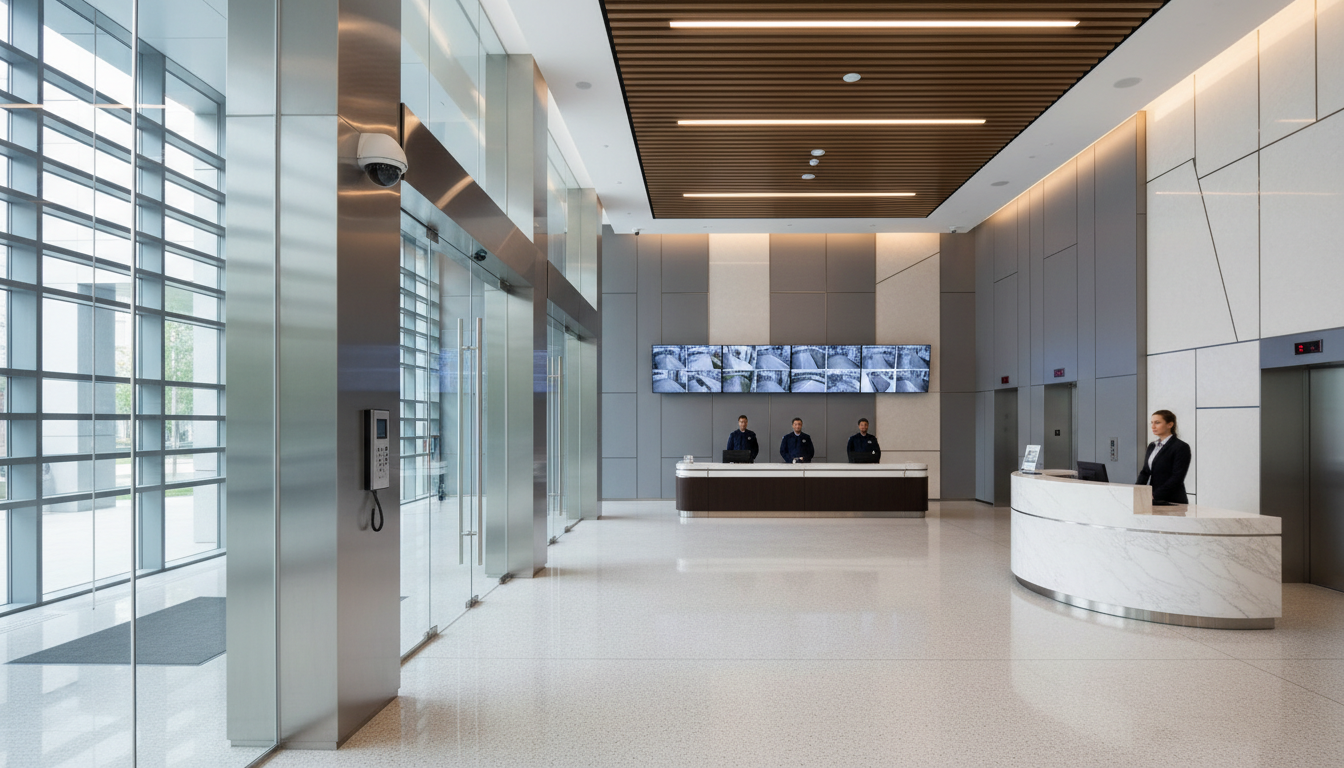
Beyond fire safety, building security is another essential aspect of the regulations. Security measures include access control systems, surveillance cameras, and secure entry points to prevent unauthorized access and protect occupants. These features are increasingly important in both residential and commercial buildings to deter crime and ensure peace of mind for users.
Accessibility and Inclusivity
Modern building regulations also emphasize accessibility and inclusivity. The NCC includes provisions to ensure that buildings are accessible to individuals with disabilities. This includes features such as ramps, elevators, and accessible restrooms. By incorporating these elements, developers contribute to a more inclusive society where everyone can navigate spaces independently and safely.
Ensuring accessibility is not just a regulatory requirement but also a social responsibility that promotes equality and improves the quality of life for all individuals.
Conclusion
In conclusion, understanding and adhering to safety and security regulations for Australian buildings is paramount. These regulations are in place to protect lives, enhance building longevity, and promote inclusivity. By following the guidelines set forth in the National Construction Code and related standards, developers and building owners can ensure that their structures are safe, secure, and accessible for all.