
Top Safety and Security Practices for Australian Building Managers


Understanding Building Security Basics
Building managers in Australia face unique challenges when it comes to maintaining safety and security. From ensuring the integrity of the physical structure to protecting the occupants, it’s essential that every aspect of security is thoroughly addressed. A strong foundation in security basics is vital for effectively managing these challenges.
Key components include access control, surveillance systems, and emergency preparedness. By integrating these elements, building managers can create a comprehensive security plan that addresses potential threats and minimizes risks.

Implementing Access Control Systems
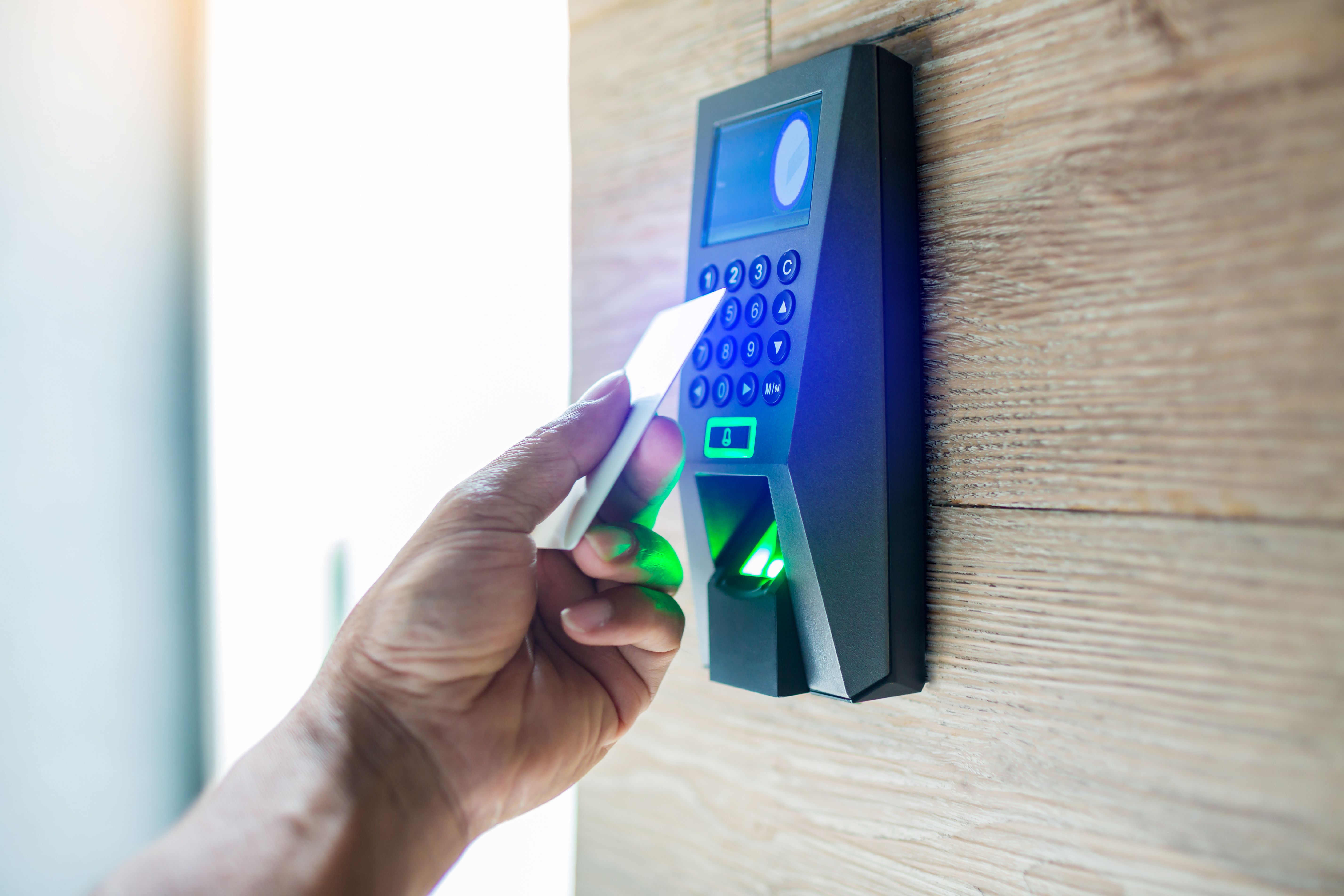
Access control systems are fundamental to building security. They regulate who can enter different areas of the building and at what times. By implementing a robust access control system, building managers can ensure that only authorized personnel have access to sensitive areas.
Common methods include key card systems, biometric scanners, and security codes. These technologies not only enhance security but also provide valuable data on entry and exit patterns, helping managers make informed decisions about security measures.
Enhancing Surveillance
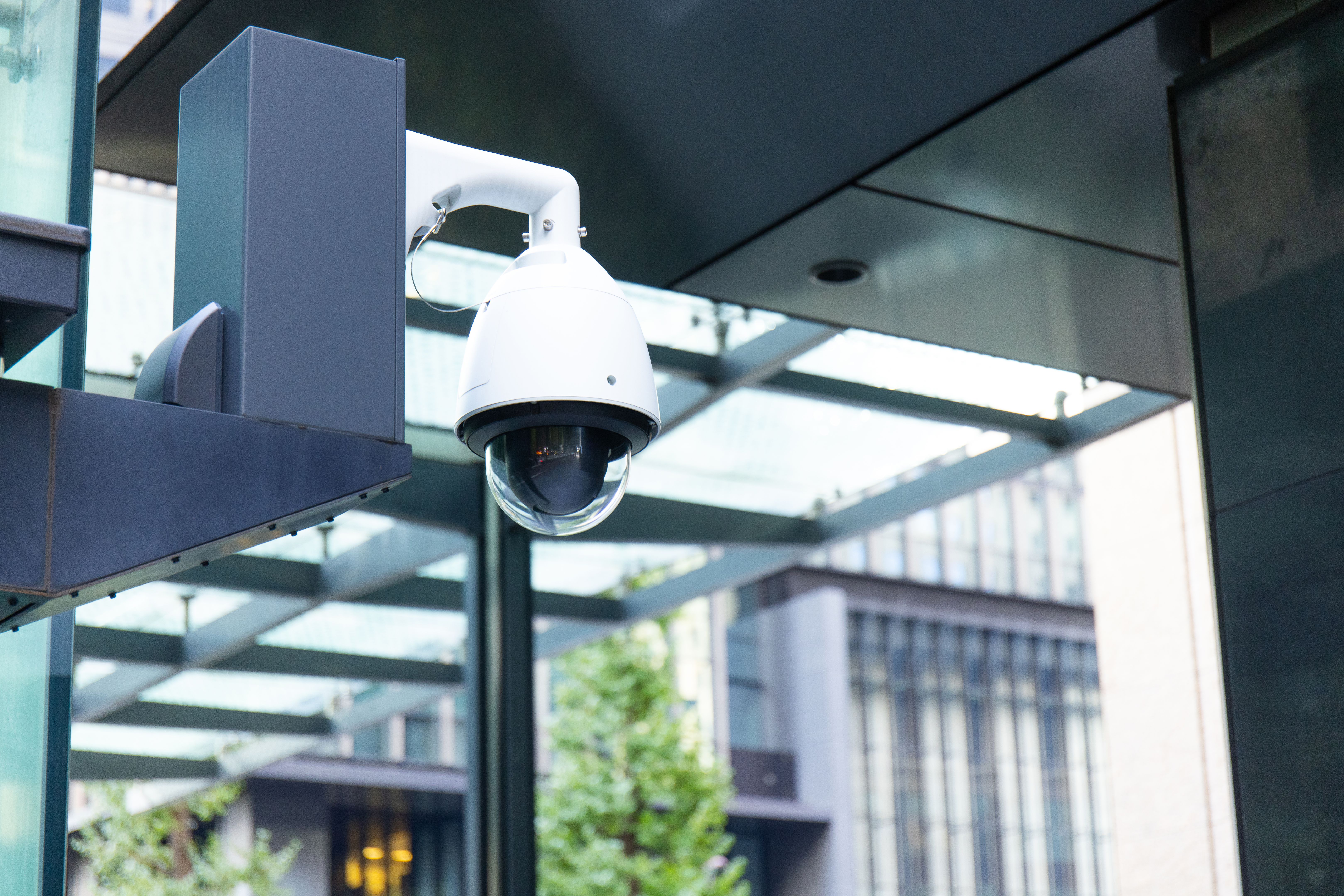
Surveillance cameras are a crucial part of any building’s security infrastructure. They serve as both a deterrent to potential intruders and a tool for monitoring activities within the building. When strategically placed, cameras can cover all critical areas, providing real-time footage and recording events for later review.
It’s important to choose the right type of cameras and ensure they are integrated with other security systems. Modern surveillance systems can also include features like motion detection and remote access, allowing building managers to monitor the premises from anywhere.
Emergency Preparedness and Response
Preparing for emergencies is an essential aspect of building management. This includes having clear evacuation plans, conducting regular fire drills, and ensuring that all safety equipment is properly maintained and accessible. Building managers should also establish communication protocols to efficiently coordinate with emergency services if needed.
Training staff and occupants on emergency procedures is equally important. Regular training sessions can ensure everyone knows how to respond in an emergency, potentially saving lives and minimizing property damage.
Securing Physical Infrastructure
Beyond technology, the physical infrastructure of a building must also be secure. This involves regular inspections and maintenance of locks, doors, windows, and other entry points. Reinforcing these elements can prevent unauthorized access and enhance overall security.
In addition to regular maintenance, consider investing in security features such as reinforced doors, shatter-resistant windows, and additional lighting around the building’s perimeter.
Engaging with Security Professionals
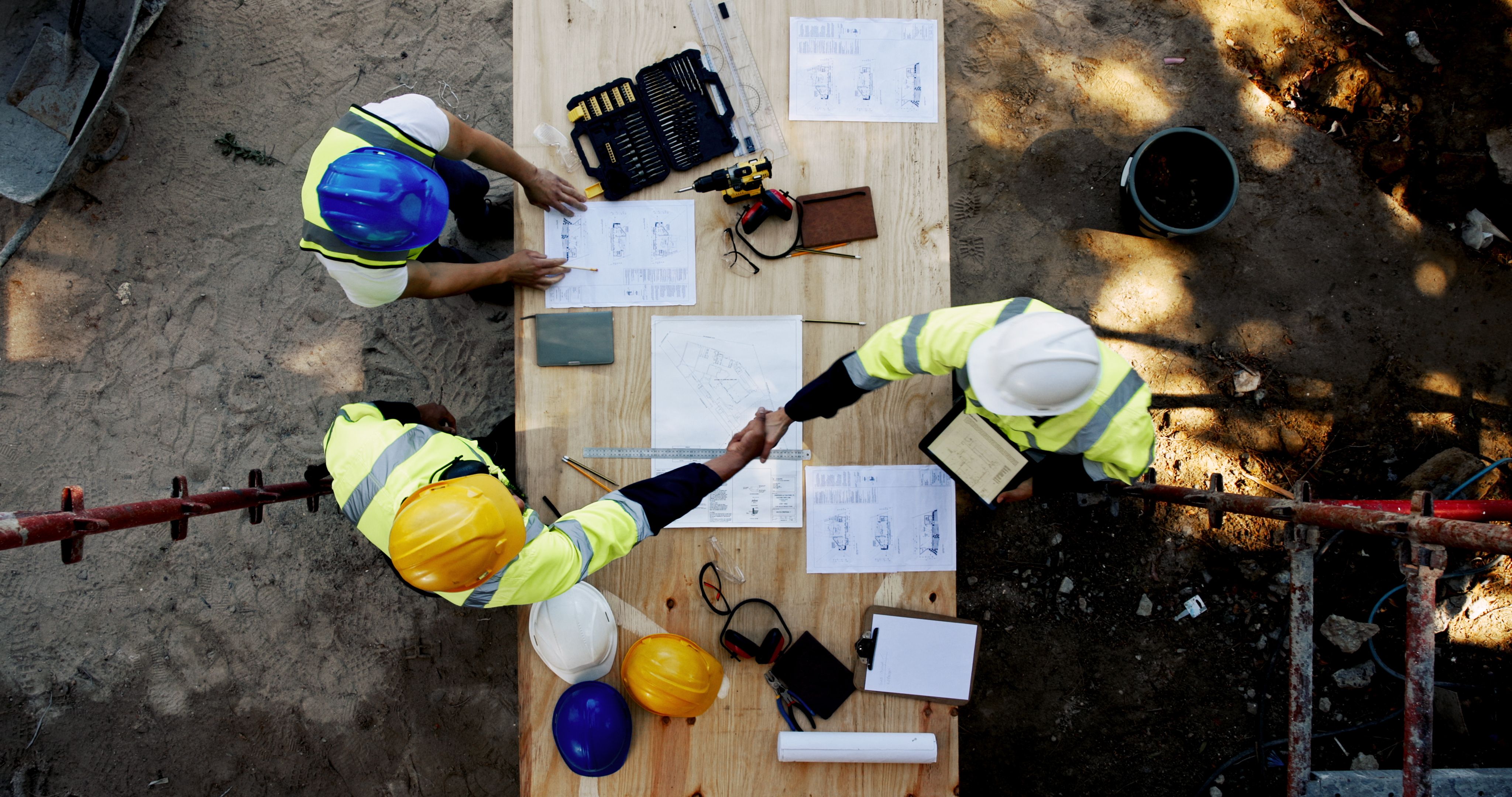
Working with security professionals can provide valuable insights and expertise that may not be available internally. Security consultants can conduct comprehensive assessments, identify vulnerabilities, and recommend tailored solutions that fit the specific needs of the building.
Moreover, partnering with local law enforcement and emergency services can enhance response times and ensure that the building’s security measures align with broader community safety strategies.
By implementing these top safety and security practices, building managers in Australia can create a safe and secure environment for all occupants, ultimately enhancing the building's reputation and value.