
Safety and Security: Essential Protocols for Australian Buildings


Understanding Safety and Security Protocols
In Australia, ensuring the safety and security of buildings is of paramount importance. With diverse environments ranging from urban skyscrapers to remote facilities, implementing effective protocols is essential to protect both property and people. The key to achieving this lies in understanding the various components that contribute to a secure building environment.
Safety and security protocols are designed to prevent unauthorized access, protect against threats, and ensure that occupants are safe during emergencies. These protocols are not just regulatory requirements but are integral to the overall functionality and sustainability of any building.
Physical Security Measures
Access Control Systems
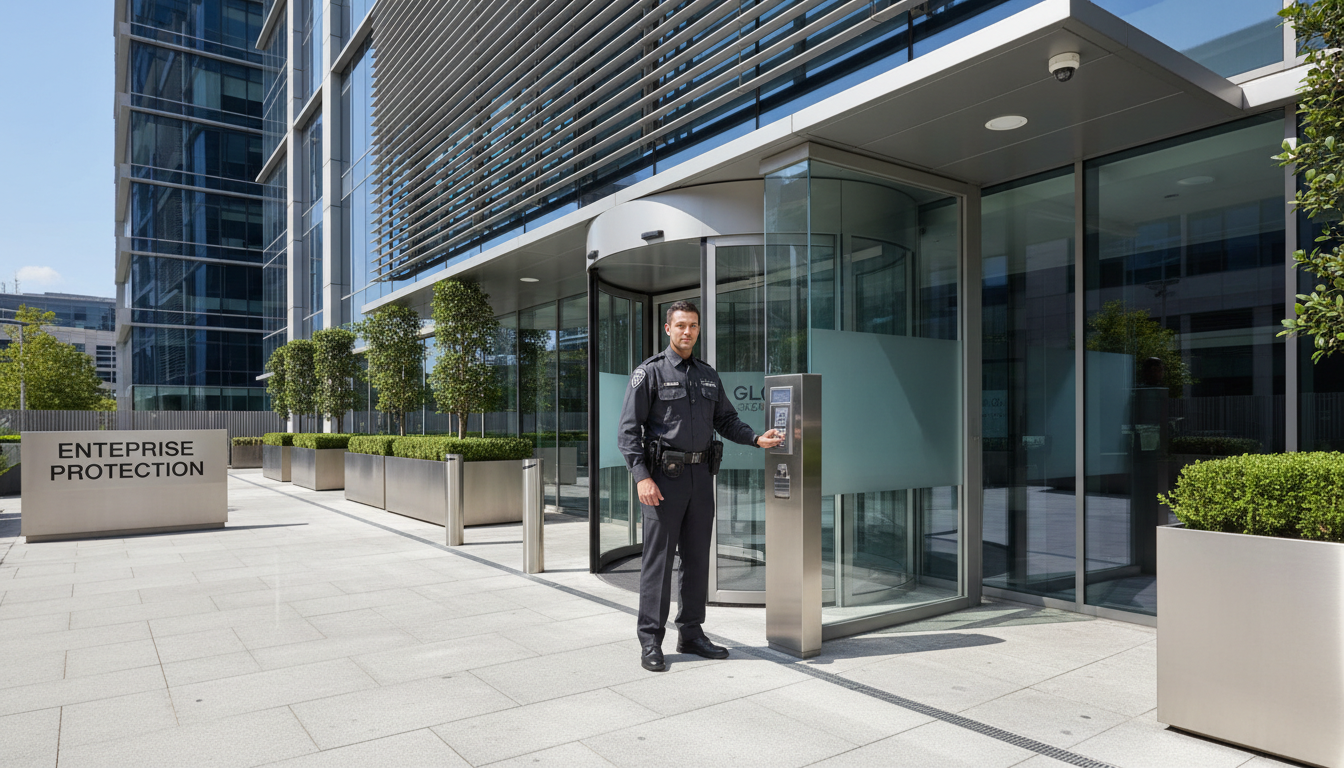
Access control systems are critical in managing who can enter a building and when. These systems often include keycard entry, biometric scanners, and security personnel to monitor entries and exits. Implementing an effective access control system helps deter unauthorized access and ensures that only authorized individuals are allowed entry.
Surveillance Technology
Modern buildings often rely on advanced surveillance technology, such as CCTV cameras and motion detectors, to monitor activity. These technologies provide real-time data that can be crucial in preventing and responding to security incidents. Surveillance systems should be strategically placed to cover key areas without infringing on privacy.

Fire Safety Protocols
Fire Detection and Suppression
Fire safety is a crucial aspect of building security. Buildings must be equipped with smoke detectors, fire alarms, and sprinkler systems to quickly identify and suppress fires. Regular maintenance and testing of these systems are necessary to ensure they function correctly in an emergency.
Emergency Evacuation Plans
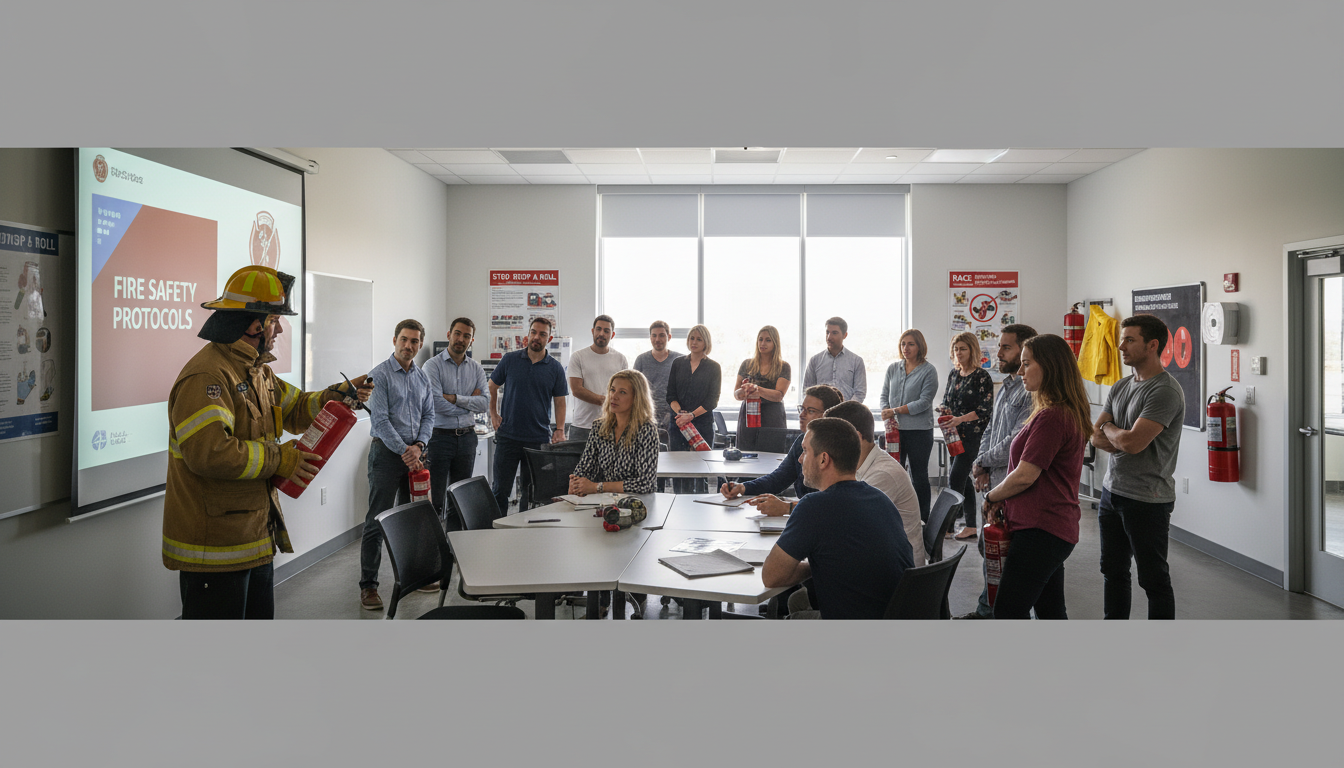
An effective evacuation plan is essential in ensuring the safety of building occupants during a fire or other emergencies. These plans should include clear exit routes, assembly points, and regular drills to ensure everyone knows how to evacuate safely. Training should be conducted regularly to keep all occupants informed and prepared.
Cybersecurity in Buildings
Protecting Digital Infrastructure
With the increasing integration of smart technology in buildings, cybersecurity has become a vital component of building safety. Protecting digital infrastructure from cyber threats involves implementing firewalls, encryption, and regular security audits to prevent unauthorized access and data breaches.
Staff Training and Awareness
Training staff to recognize cyber threats and understand security protocols is crucial in maintaining a secure environment. Regular workshops and updates on cybersecurity practices help ensure that everyone is aware of potential risks and knows how to respond appropriately.

Compliance with Regulations
Adhering to local and national regulations is essential in maintaining building safety. Australian standards outline various requirements for fire safety, electrical systems, and building access, among others. Compliance not only ensures safety but also protects building owners from legal liabilities.
Engaging with professional consultants and regularly reviewing protocols can help ensure that buildings remain up-to-date with the latest safety and security standards. Continuous improvement and adaptation are key to staying ahead of potential threats.