
Safety and Security: Essential Practices for Australian Building Managers


Understanding the Importance of Safety and Security
Safety and security are critical elements in the management of any building. For Australian building managers, ensuring these aspects involves a comprehensive approach that addresses both preventive measures and responsive strategies. An effective safety plan not only protects the occupants but also safeguards the building's assets.
Conducting Regular Risk Assessments
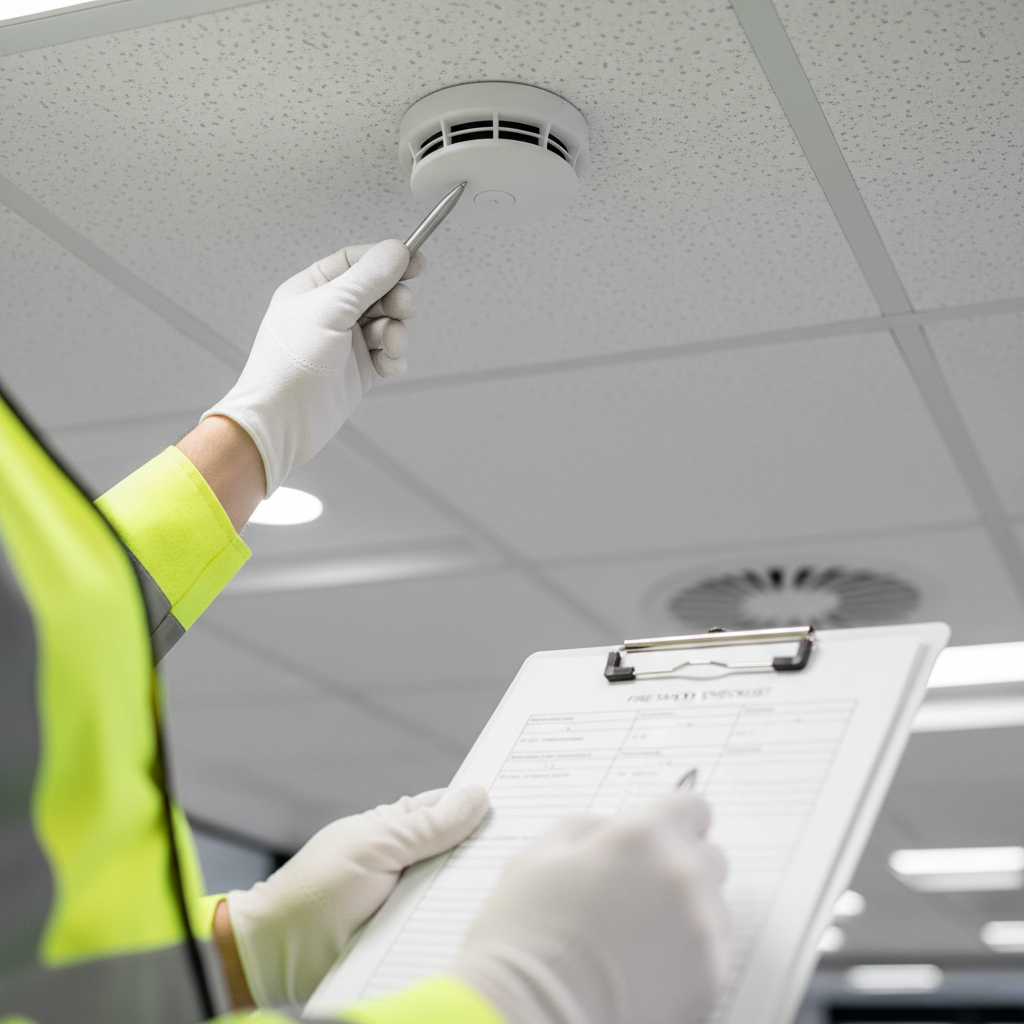
One of the foundational practices for building managers is conducting regular risk assessments. This involves identifying potential hazards within the building premises and assessing the likelihood and impact of these risks. It is crucial to stay updated with the latest safety standards and regulations to ensure compliance.
Engaging with professional risk assessors can provide an objective evaluation and help in developing effective mitigation strategies. A thorough risk assessment should be documented and reviewed annually or whenever significant changes occur in the building infrastructure.
Implementing Security Systems
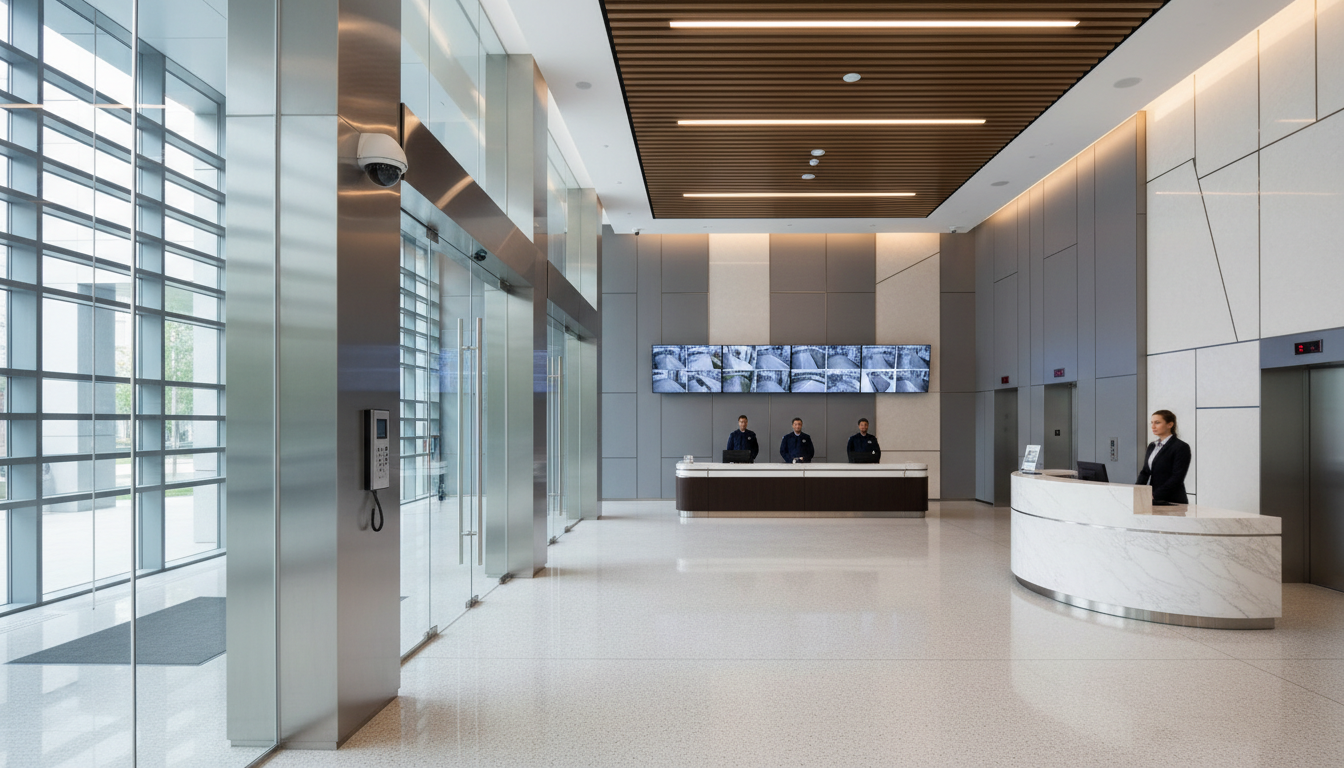
Security systems are vital for protecting both people and property. Building managers should invest in advanced security technologies such as surveillance cameras, access control systems, and alarm systems. These systems not only deter criminal activities but also provide crucial evidence in case of incidents.
Emergency Preparedness and Response
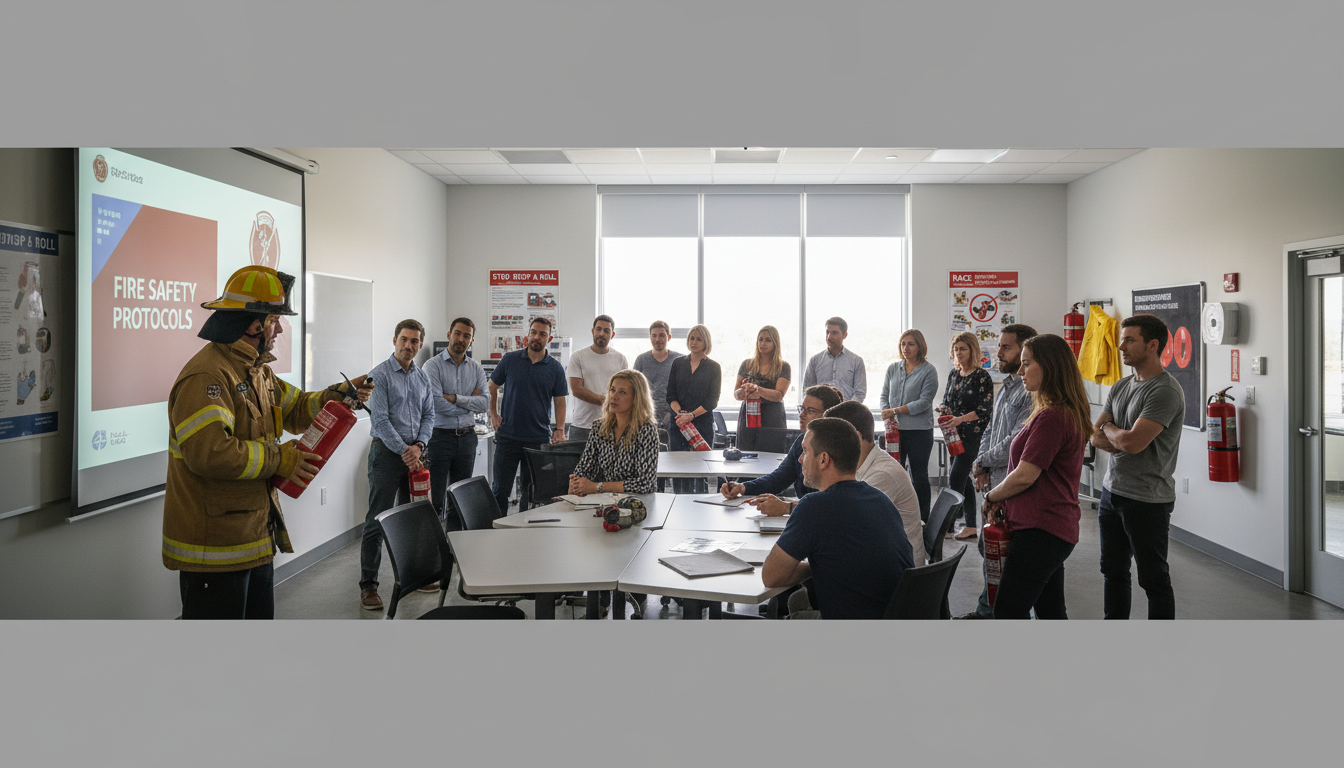
Preparing for emergencies is an essential aspect of building management. This includes developing an emergency response plan that outlines procedures for various potential scenarios, such as fires, natural disasters, or security breaches. Regular drills and training sessions should be conducted to ensure that both staff and occupants are familiar with emergency procedures.
Having a clear communication plan is equally important. Building managers should establish a reliable system to disseminate information quickly during an emergency, ensuring all stakeholders are informed and can act accordingly.
Enhancing Fire Safety Measures
Fire safety is a critical component of building security. Managers must ensure that all fire safety equipment, such as extinguishers, alarms, and sprinklers, are regularly inspected and maintained. It is also important to provide clear signage indicating evacuation routes and assembly points.
Ensuring Access Control
Controlling access to the building is paramount in maintaining safety and security. Implementing keycard systems or biometric access can help monitor and restrict entry to authorized personnel only. This reduces the risk of unauthorized access and enhances overall security.
Additionally, maintaining a visitor log can help track individuals entering and leaving the premises, providing an extra layer of security and accountability.
Regular Training and Awareness Programs
Ongoing training and awareness programs are essential in fostering a culture of safety and security. Building managers should organize workshops and seminars to educate occupants about safety protocols and emergency procedures. This empowers individuals to act responsibly and contribute to the overall security of the building.

Collaborating with Local Authorities
Building managers should establish strong relationships with local authorities, including the police and fire departments. Collaborating with these entities ensures a coordinated response in case of emergencies and provides access to additional resources and support.
Regular meetings or consultations with local authorities can also keep building managers informed about potential threats or changes in local security policies.
Conclusion
Effective safety and security practices are integral to successful building management in Australia. By adopting a proactive approach and implementing comprehensive strategies, building managers can ensure a safe and secure environment for all occupants. Continuous improvement and adaptation to new challenges will further enhance these efforts, fostering a sense of safety and trust within the community.