
Preparing Your Building for Seasonal Changes: Maintenance Tips for Australian Managers


Understanding the Importance of Seasonal Maintenance
As the seasons change in Australia, building managers face a variety of challenges. Proper maintenance is crucial to ensure the safety, efficiency, and longevity of a building. By proactively preparing for seasonal changes, managers can save time, reduce costs, and improve the overall comfort of their tenants.
Fluctuating temperatures and weather conditions can take a toll on any structure. For instance, the harsh sun of summer or the unpredictable storms of winter can damage roofing, plumbing, and HVAC systems. Without proper preparation, minor issues can quickly become major problems.

Inspecting and Maintaining Roofing and Gutters
One of the first areas to address is the roofing and gutter systems. These elements are vital in protecting the building from rain and debris. It's crucial to check for any signs of wear and tear, such as loose shingles or clogged gutters.
Steps to Ensure Roof and Gutter Health
- Inspect for any damage or leaks and repair them promptly.
- Clear gutters of leaves and debris to prevent water overflow.
- Consider professional inspections annually to identify potential issues early.

Optimizing HVAC Systems for Efficiency
The heating, ventilation, and air conditioning (HVAC) system is another critical component that needs attention. Seasonal changes demand different HVAC settings, and ensuring optimal performance can lead to significant energy savings.
Key HVAC Maintenance Tips
- Replace air filters regularly to maintain air quality and system efficiency.
- Schedule professional tune-ups to ensure all components are functioning correctly.
- Check for and seal any leaks in ductwork to prevent energy loss.

Preparing Outdoor Areas and Landscaping
Outdoor areas and landscaping are often overlooked but play a significant role in the building's overall appearance and safety. Seasonal changes can affect walkways, trees, and lawns, creating potential hazards.
Outdoor Maintenance Considerations
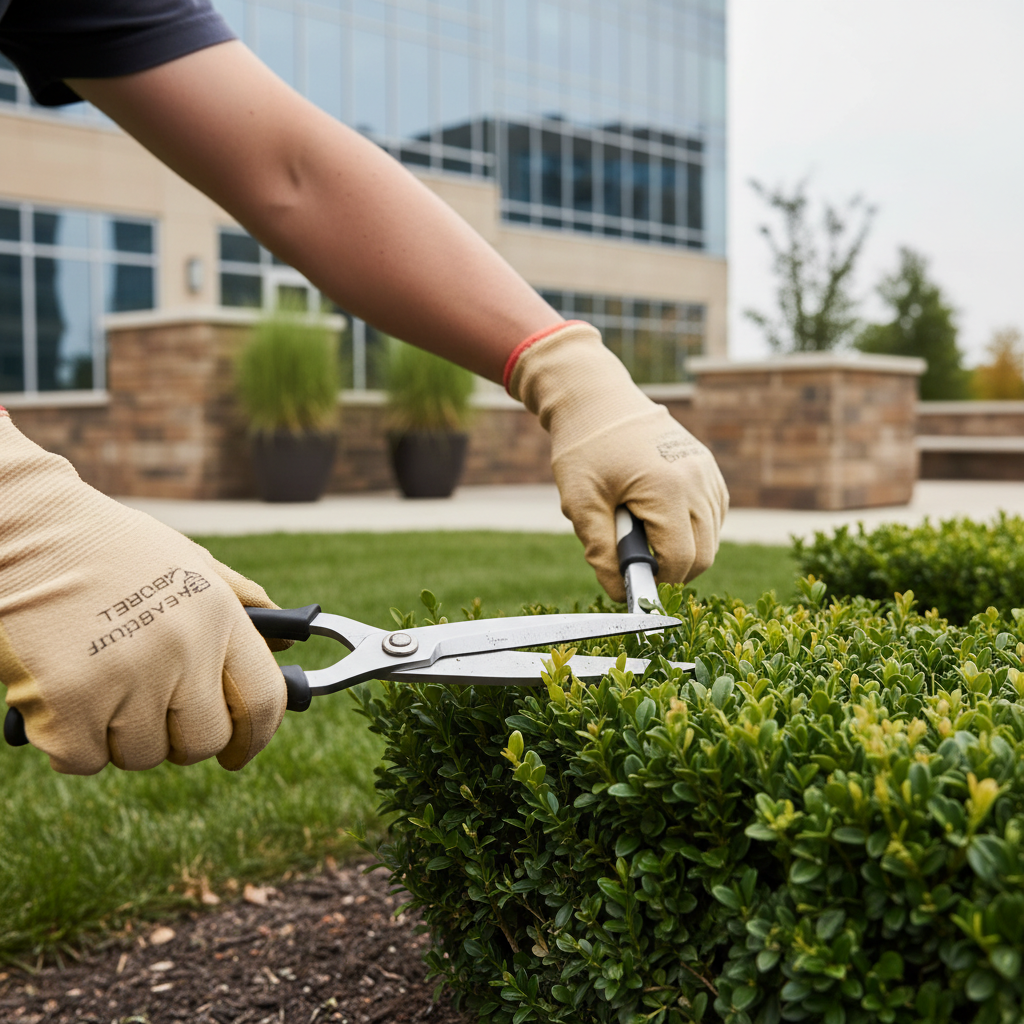
Ensure that all pathways are clear and free of debris to prevent accidents. Regularly trim trees and shrubs to avoid interference with power lines or building structures. Additionally, consider the use of native plants that can withstand Australia’s diverse climate conditions, reducing the need for excessive watering or maintenance.
Conclusion: The Benefits of Proactive Maintenance
By implementing a thorough maintenance plan tailored to the seasonal changes in Australia, building managers can protect their properties and enhance tenant satisfaction. Proactive maintenance not only extends the life of the building but also reduces unexpected repair costs, ensuring a safe and comfortable environment for all occupants.
With these strategies, managers can effectively prepare their buildings for the challenges of each season, making the transition seamless and stress-free.