
Myth-Busting: Common Misconceptions About Waste Disposal in Australia


Introduction
In recent years, waste disposal has become a hot topic in Australia, with many misconceptions leading to confusion and misinformation. In this post, we aim to debunk some of the most common myths surrounding waste disposal, helping you make more informed decisions when it comes to managing your waste.
Myth 1: All Plastics Are Recyclable
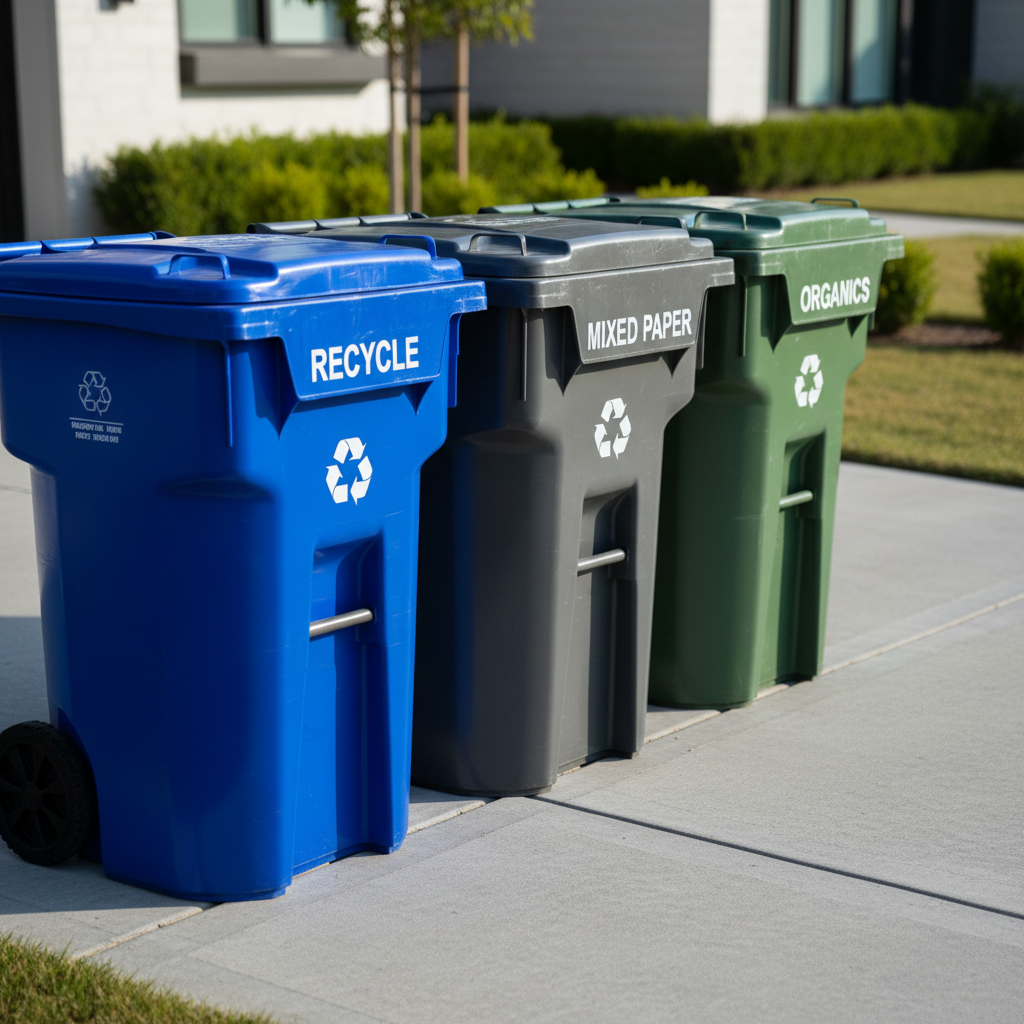
A widespread misconception is that all plastics can be thrown into the recycling bin. In reality, only certain types of plastics are recyclable through most municipal programs. Plastics labeled with numbers 1 and 2 are generally accepted, while others may require special processing. It's important to check local guidelines to avoid contaminating the recycling stream.
Myth 2: Waste-to-Energy Is Harmful
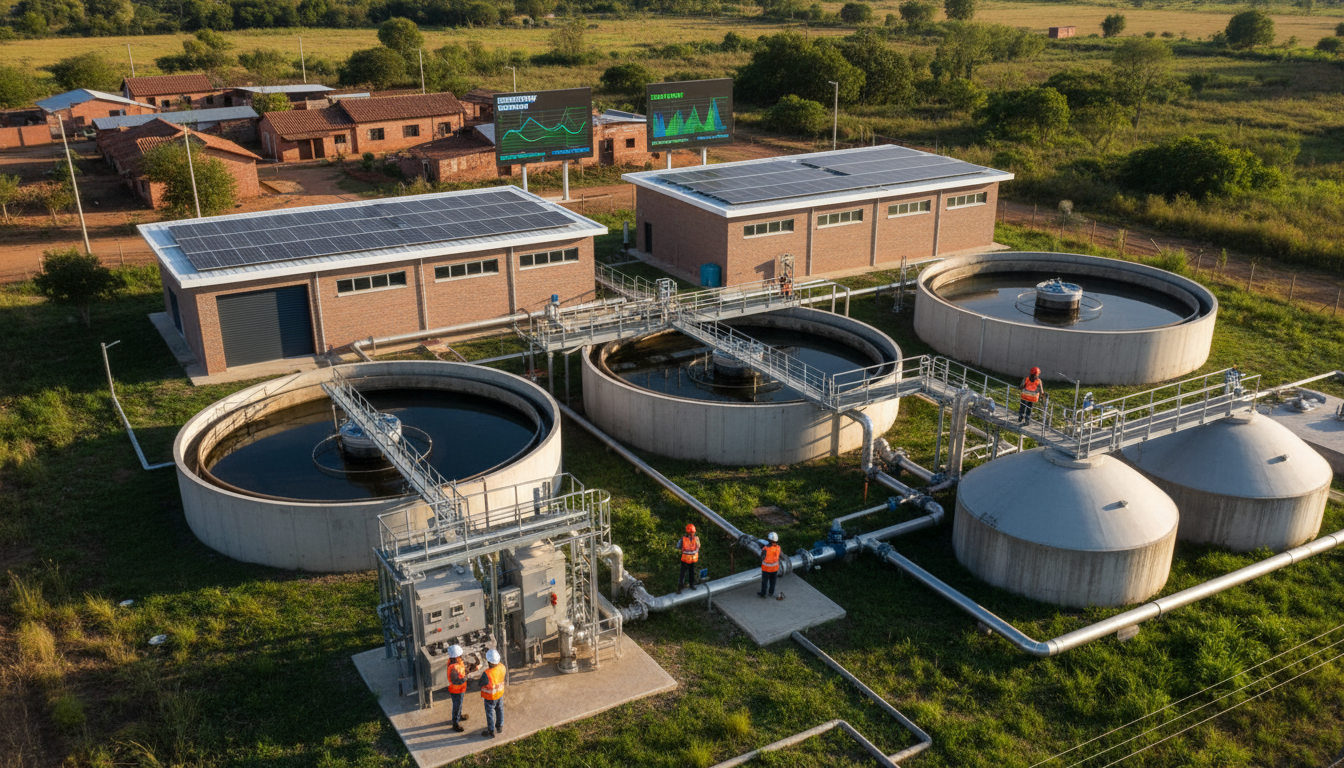
Many people believe that waste-to-energy processes, which convert waste into usable energy, are harmful to the environment. However, modern technologies have made these processes more efficient and less polluting. Waste-to-energy can reduce landfill use and lower greenhouse gas emissions, making it a viable alternative for waste management.
The Benefits of Waste-to-Energy
- Reduces landfill volume
- Generates electricity and heat
- Minimizes methane emissions
Myth 3: Landfills Are a Thing of the Past
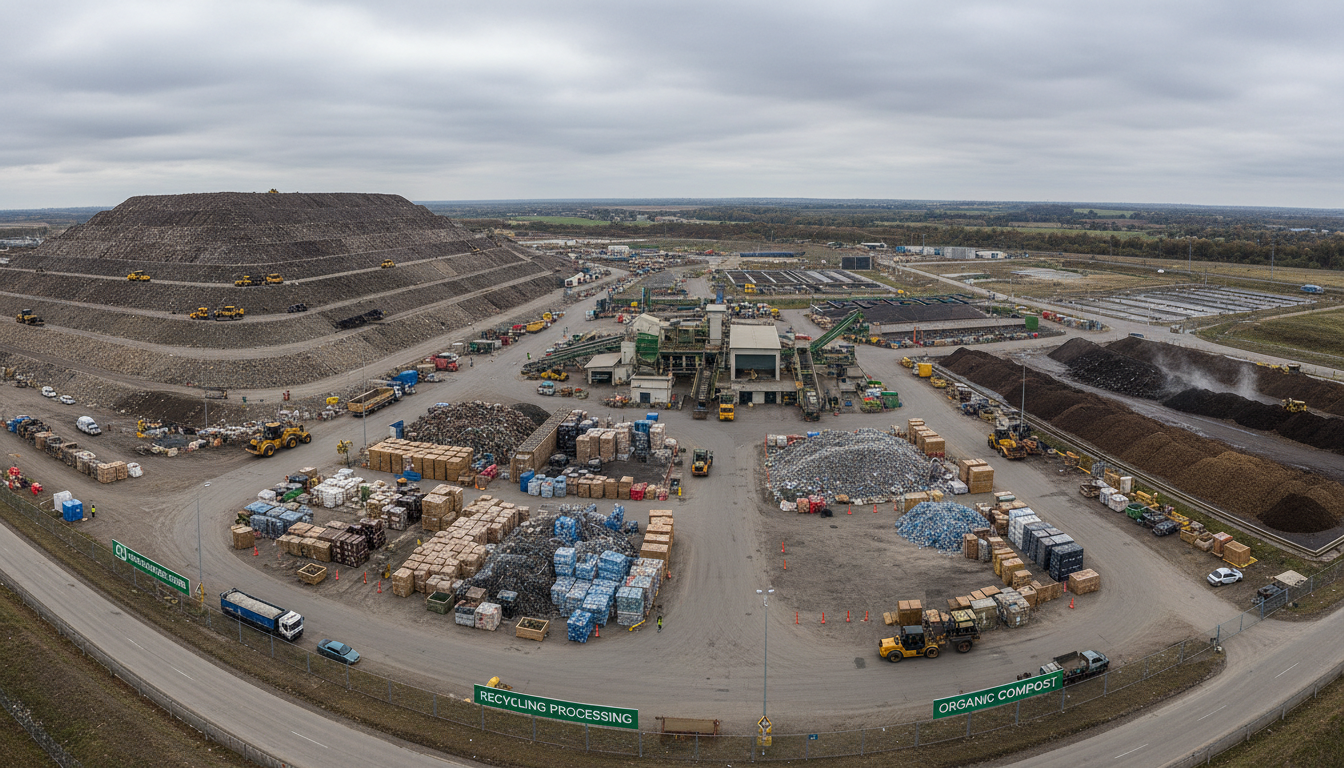
Despite advancements in waste management, landfills are still an essential component of waste disposal in Australia. While efforts are being made to reduce reliance on landfills, they continue to play a role in safely managing waste that cannot be recycled or processed through other means.
Why Landfills Still Matter
Landfills are designed to contain waste securely, preventing contamination of soil and water. They also capture methane emissions, which can be used as a source of energy. As waste management technologies evolve, the role of landfills may change, but they remain necessary for now.
Myth 4: Composting Is Only for Gardeners
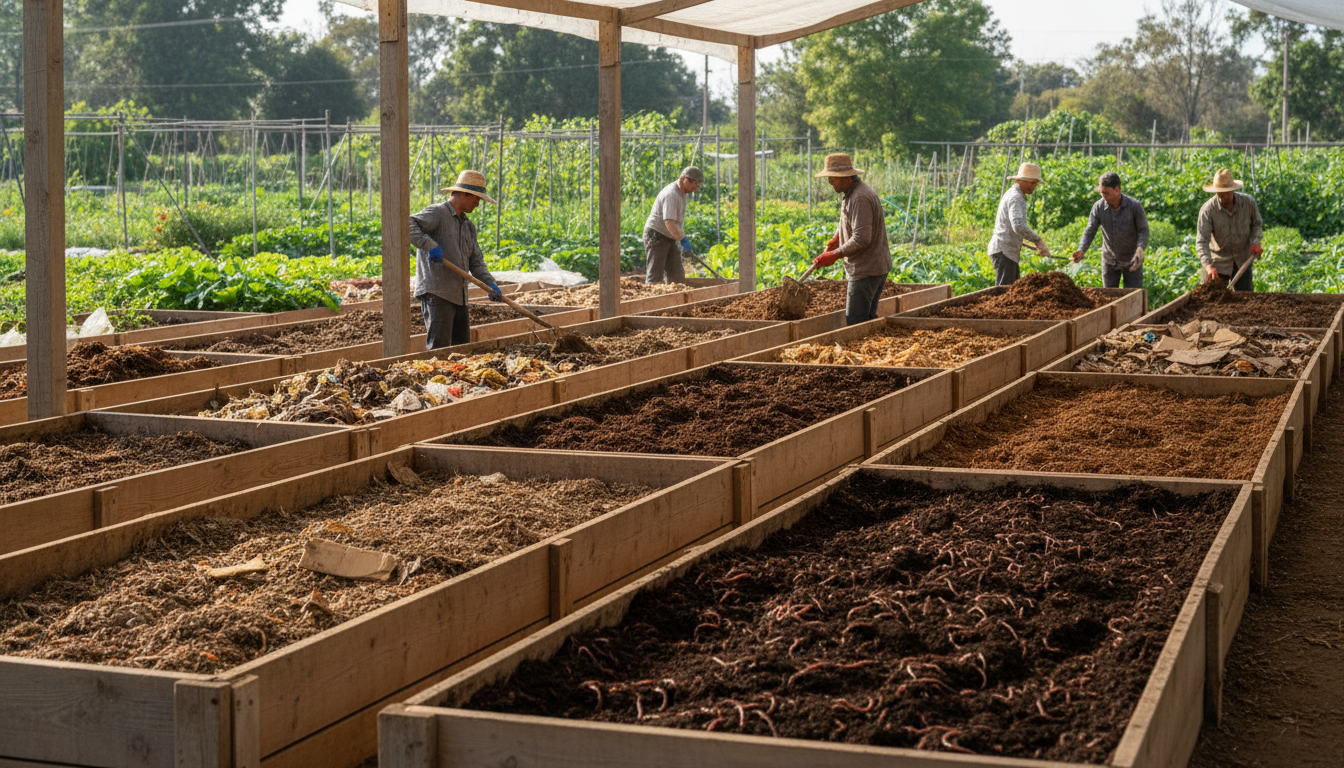
Composting is often thought to be an activity reserved for avid gardeners, but it can be a simple and effective way for anyone to reduce household waste. By composting food scraps and organic materials, you can significantly decrease the amount of waste sent to landfills.
How to Start Composting
- Choose a compost bin suitable for your space.
- Add a mix of green (vegetable peels, coffee grounds) and brown (leaves, cardboard) materials.
- Turn the pile regularly to aerate and speed up decomposition.
Conclusion
Understanding the realities of waste disposal is crucial for making eco-friendly choices. By dispelling these myths, we hope to encourage informed decisions that contribute to a more sustainable future. Whether it's recycling correctly, considering waste-to-energy options, acknowledging the role of landfills, or starting a compost pile, every effort counts in reducing our environmental impact.