
How to Navigate Financial and Administrative Management in Property Management


Understanding Financial Management in Property Management
Effective financial management is the backbone of successful property management. It involves overseeing income, expenses, and investments to ensure profitability. The primary goal is to maximize revenue while minimizing costs. This requires a strategic approach to budgeting, forecasting, and financial reporting.
One of the first steps is to establish a comprehensive budget. This budget should cover all anticipated expenses, including maintenance, utilities, and staffing, while also accounting for potential income from rentals or leases. Regularly monitoring this budget helps property managers stay on track and make necessary adjustments.

Key Financial Tools and Software
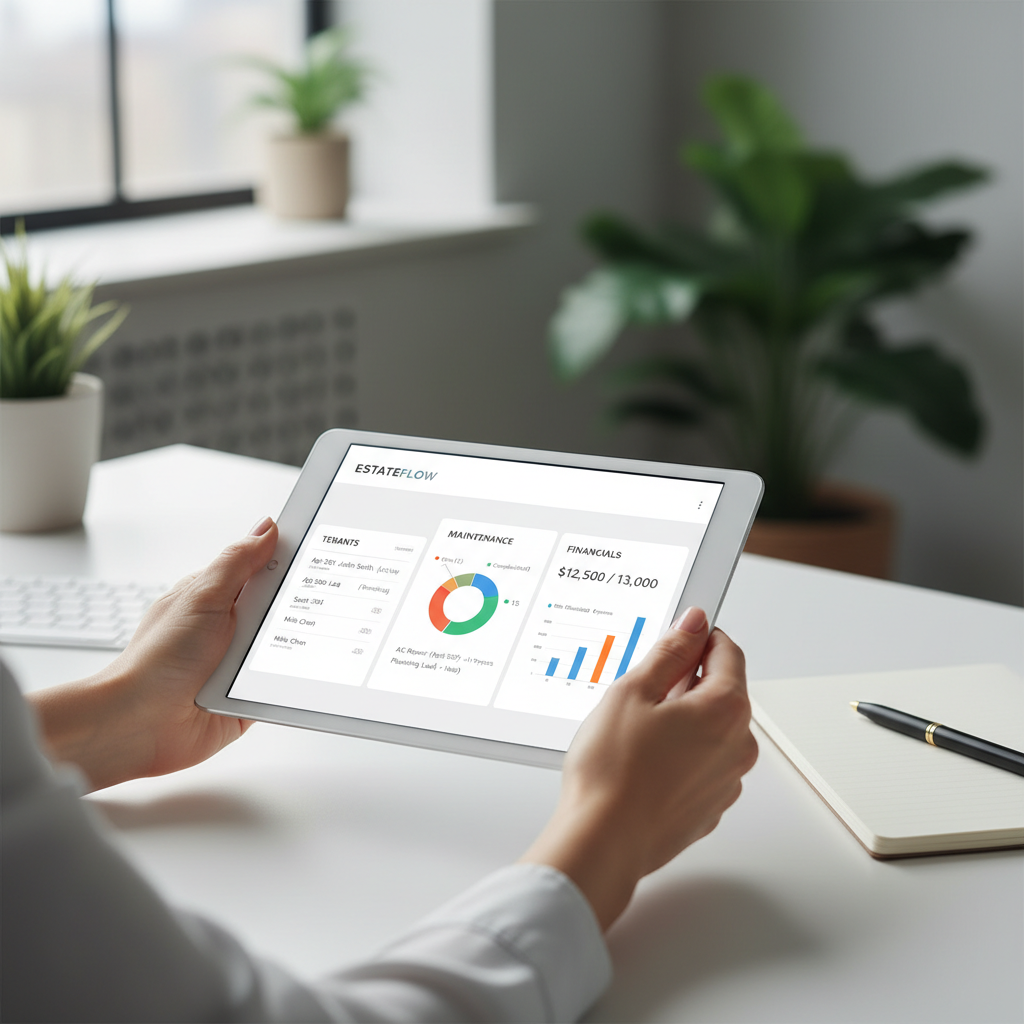
Modern property management benefits greatly from specialized financial tools and software. These tools automate many financial processes, providing real-time insights and analytics. Popular software solutions offer features like automated billing, expense tracking, and financial reporting, which streamline operations and improve accuracy.
Investing in these technologies not only saves time but also enhances decision-making capabilities. By having a clear view of financial data, property managers can make informed decisions that drive growth and profitability.
Administrative Management Essentials
Administrative management in property management involves coordinating various tasks to ensure smooth operations. This includes managing leases, handling tenant communications, and maintaining compliance with legal and regulatory requirements. Effective administration is crucial for tenant satisfaction and operational efficiency.
Streamlining Administrative Processes
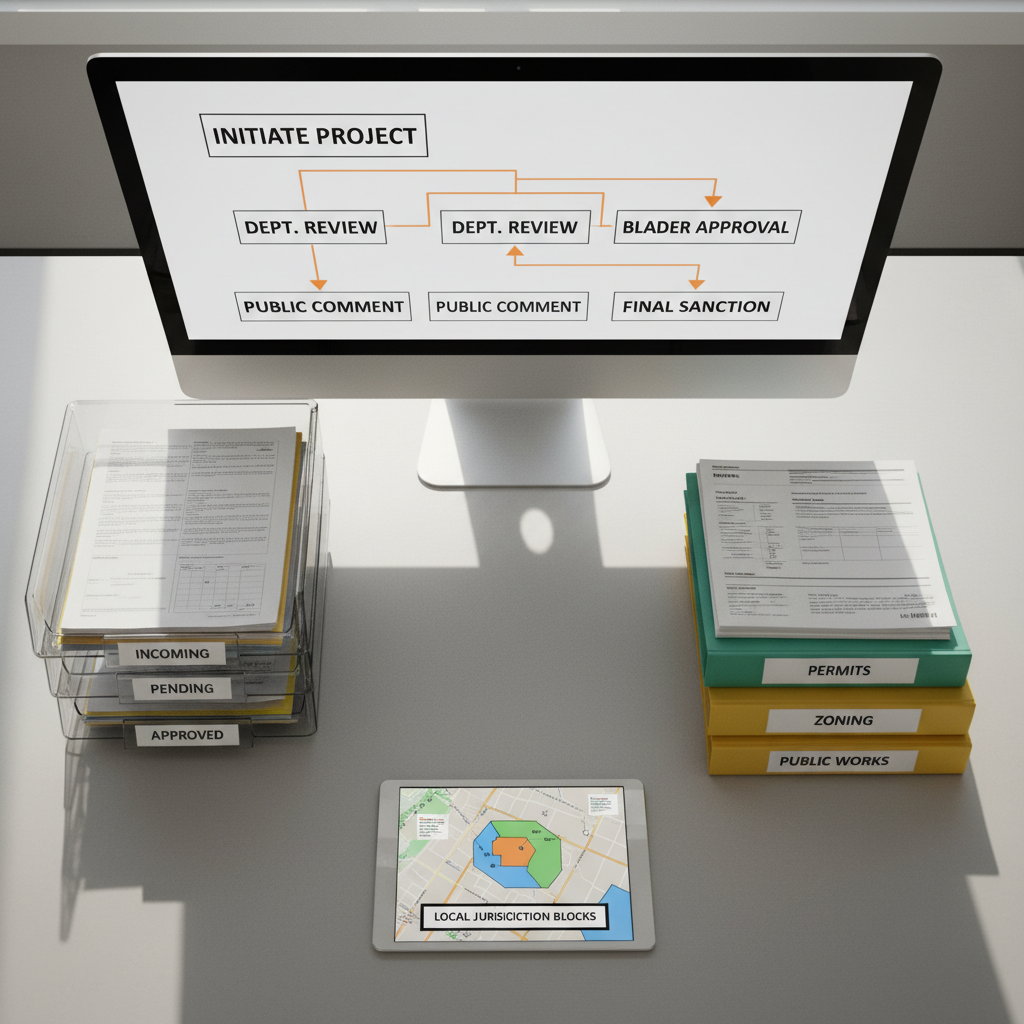
To improve administrative efficiency, property managers should consider adopting digital solutions for document management and communication. Online platforms allow for easy access to leases, contracts, and other essential documents, reducing the time spent on manual paperwork.
Furthermore, implementing a robust tenant management system can enhance communication and service delivery. These systems allow for seamless interaction between tenants and property managers, improving response times and overall tenant satisfaction.
Balancing Financial and Administrative Duties
Balancing financial and administrative responsibilities requires a strategic approach. Both aspects are interconnected and play a vital role in the success of property management. By leveraging technology, property managers can efficiently manage both areas, ensuring a well-rounded operation.
Regular training and professional development can also be beneficial. Staying updated on industry trends and best practices helps property managers adapt to changes and improve their skills, ultimately enhancing their ability to manage financial and administrative tasks effectively.