
How to Handle Defect Management in Building Maintenance


Understanding Defect Management in Building Maintenance
Defect management is a critical component of building maintenance, ensuring that any issues are promptly identified and rectified to maintain the integrity and safety of the structure. Efficient defect management not only enhances the lifespan of a building but also contributes to cost savings by preventing minor issues from escalating into major repairs.
Identifying Defects
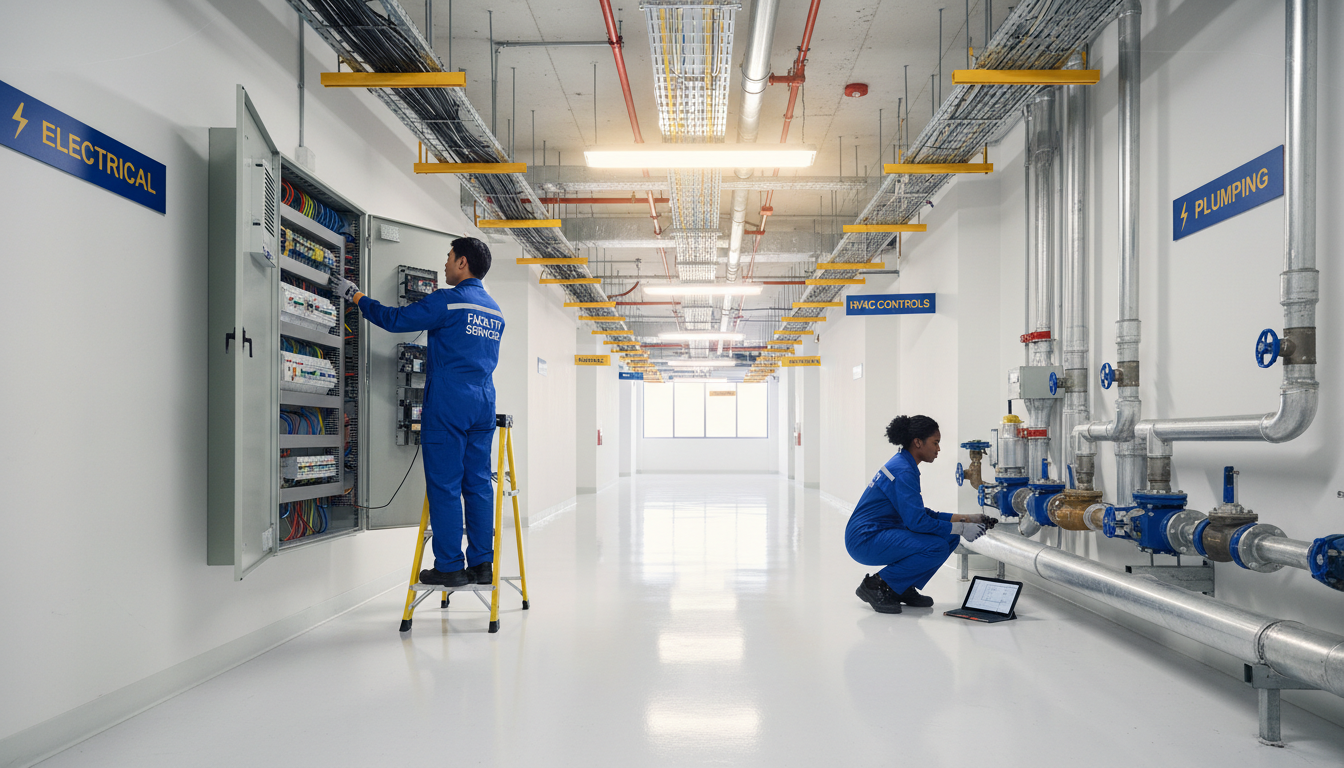
The first step in defect management is the identification of defects. This involves regular inspections and monitoring to spot any signs of wear and tear. Common defects include cracks, leaks, and mechanical failures. Building managers should establish a routine inspection schedule to ensure no aspect of the building is overlooked.
Utilizing technology can greatly aid in the identification process. Tools like drones, thermal imaging, and building management systems (BMS) can provide comprehensive insights into areas that require attention, making defect detection more efficient and accurate.
Documenting Defects
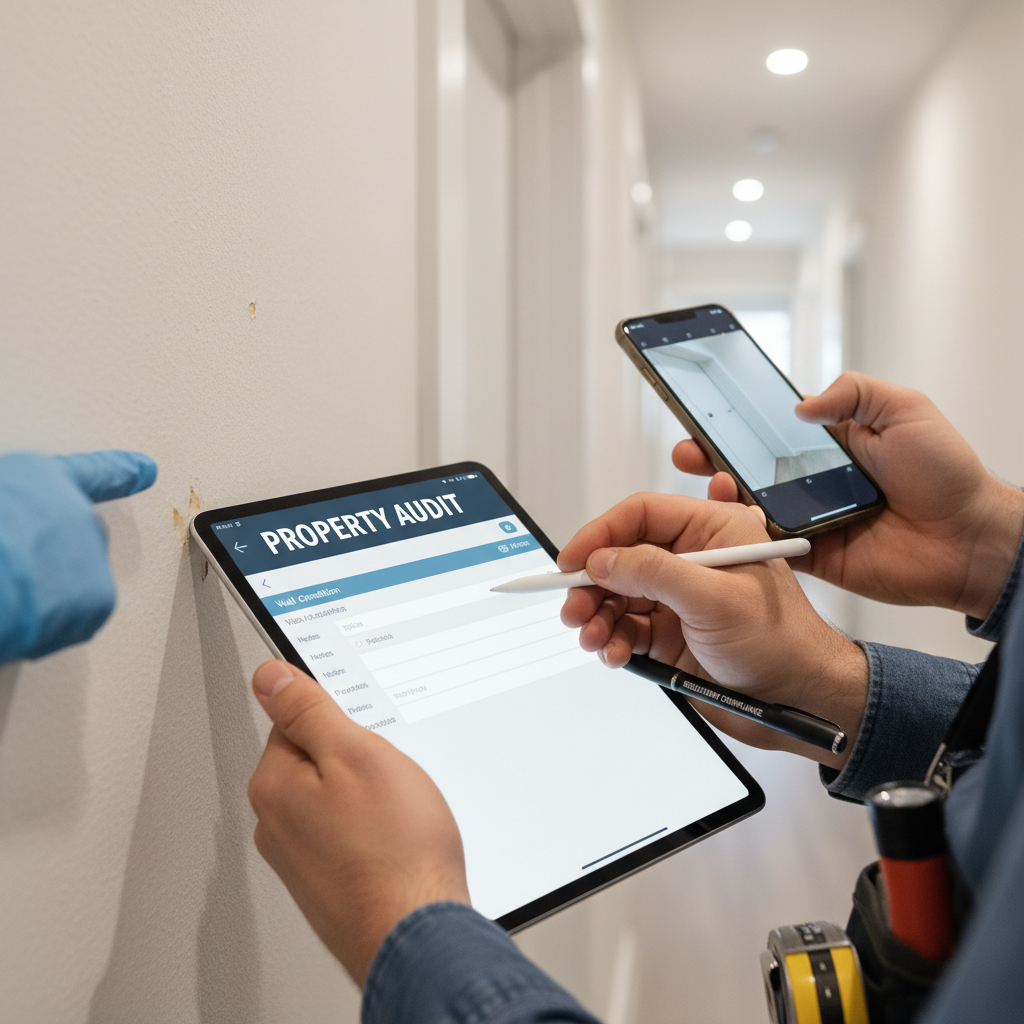
Documentation is a crucial aspect of defect management. Once a defect is identified, it's important to record the details, including the type of defect, its location, and potential causes. This information can be used to prioritize repairs and track recurring issues. Digital platforms and software can simplify this process by allowing easy data entry and retrieval.
Prioritizing Repairs
Not all defects are created equal; some require immediate attention, while others can be scheduled for later. Prioritization is based on the severity and impact of the defect. Safety-related defects should always be addressed first to ensure the safety of occupants and the structural integrity of the building.
A well-structured prioritization system helps in allocating resources effectively, ensuring that critical defects are resolved quickly while optimizing maintenance budgets.

Implementing Repair Solutions
Once defects are prioritized, the next step is implementing repair solutions. This involves selecting appropriate repair methods and coordinating with skilled professionals to carry out the repairs. It's crucial to use high-quality materials and follow industry best practices to ensure long-lasting solutions.
Regular training and updates for maintenance staff can be beneficial in keeping them informed about the latest repair techniques and technologies, ensuring that all repairs are executed efficiently.
Monitoring and Evaluation
After repairs have been made, continuous monitoring and evaluation are essential to ensure that the solutions are effective. This involves regular follow-up inspections and assessments to confirm that the defect has been fully resolved and to identify any potential new issues.
Feedback from occupants can also provide valuable insights into the effectiveness of repairs and any ongoing issues that need to be addressed. Creating a feedback loop can enhance the overall quality of building maintenance.
Conclusion
Effective defect management in building maintenance is a continuous cycle of identifying, documenting, prioritizing, repairing, and monitoring. By implementing a structured approach and leveraging technology, building managers can significantly enhance the safety, functionality, and longevity of their buildings.
Ultimately, a proactive approach to defect management not only ensures a safe and comfortable environment for occupants but also contributes to the sustainable management of building resources.