
Expert Tips for Effective Defect Management in Building Maintenance


Understanding Defect Management
Defect management in building maintenance is a crucial process that involves identifying, documenting, and addressing defects in a structured manner. Proper management ensures that buildings remain safe, functional, and efficient. By focusing on systematic approaches, facility managers can reduce the occurrence of defects and extend the lifespan of building components.
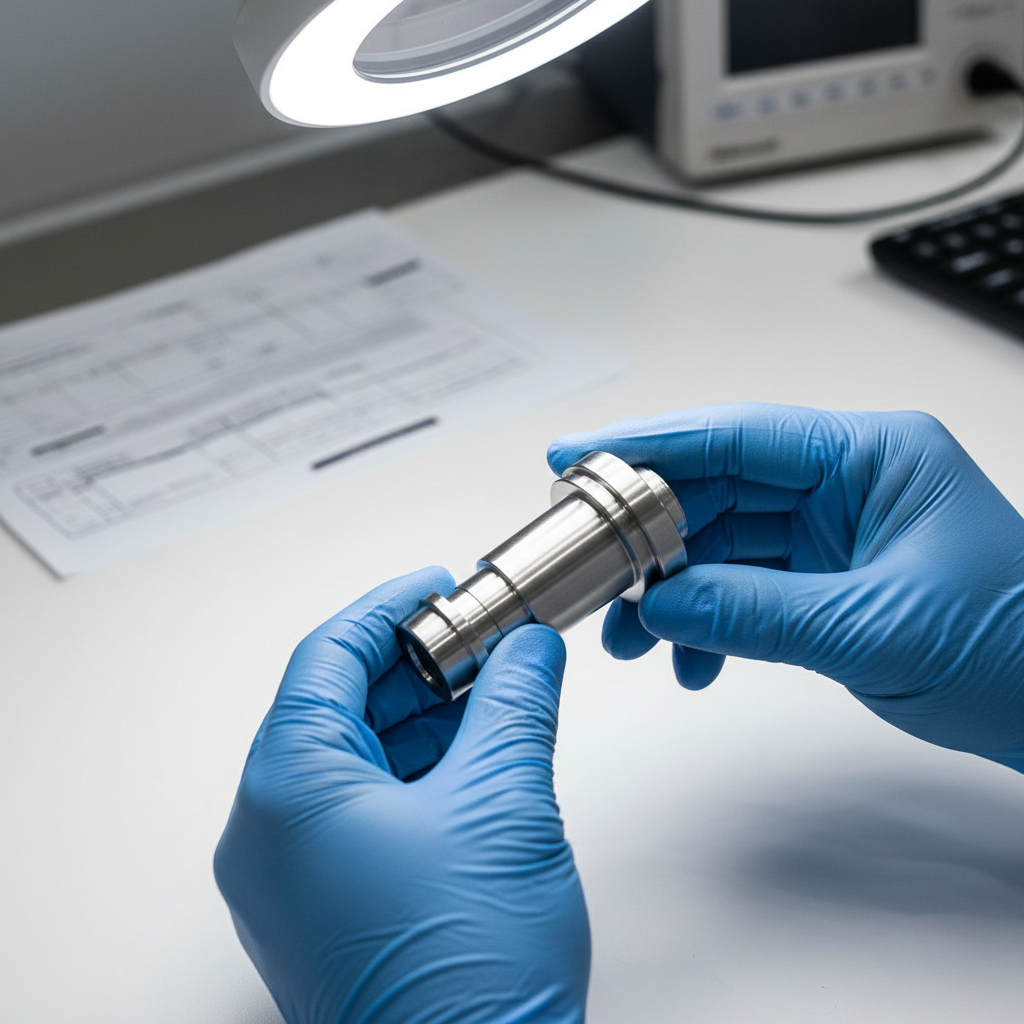
Identifying Defects Early
One of the most effective strategies for managing defects is early identification. Regular inspections and maintenance checks are essential to spot potential issues before they develop into major problems. Implementing a proactive maintenance schedule can help in catching defects early, thereby reducing repair costs and downtime.
Using Technology for Detection
Advanced technologies such as drones and thermal imaging can be employed to detect defects that are not visible to the naked eye. These tools provide detailed insights and help in creating a comprehensive defect management plan. By integrating technology, facility managers can enhance the accuracy and efficiency of their inspections.
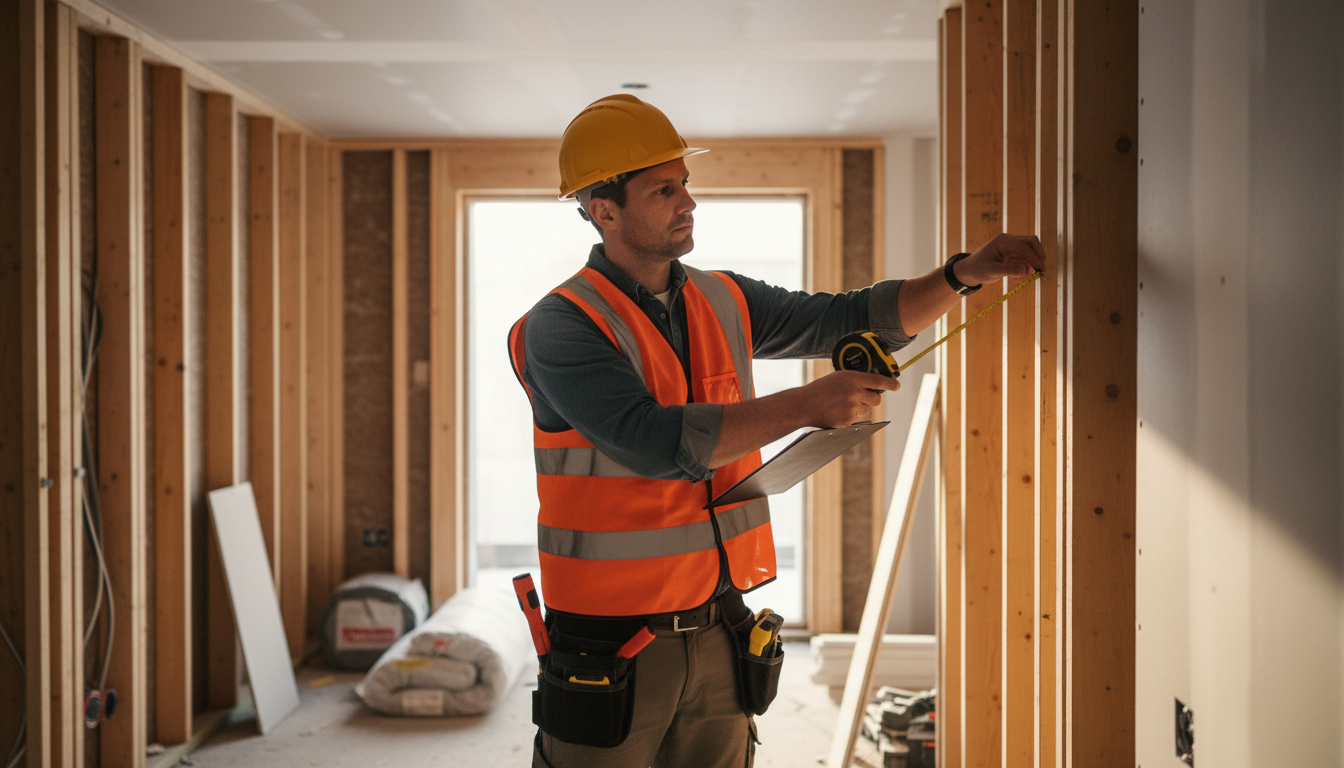
Documenting Defects Accurately
Accurate documentation is critical in defect management. Maintaining detailed records of all identified defects, including their nature, location, and severity, ensures that appropriate measures are taken. This documentation also serves as a valuable reference for future maintenance activities and helps in tracking the progress of repairs.
Utilizing Digital Tools
Digital tools can streamline the documentation process. Software solutions designed for defect management enable facility managers to log defects and track their resolution in real-time. These platforms often come with features like photo uploads and automated reports, making documentation more efficient and less prone to error.

Prioritizing Repairs and Maintenance
Once defects are identified and documented, the next step is prioritizing repairs. Not all defects require immediate attention; therefore, it's essential to assess their impact on the building's functionality and safety. By categorizing defects based on priority, facility managers can allocate resources effectively.
Developing a Maintenance Plan
A well-structured maintenance plan should outline the necessary steps for addressing defects, including timelines and responsible personnel. This plan serves as a roadmap for the maintenance team, ensuring that repairs are conducted in an orderly and timely manner. Regular reviews and updates to the plan are essential to accommodate any new defects that arise.
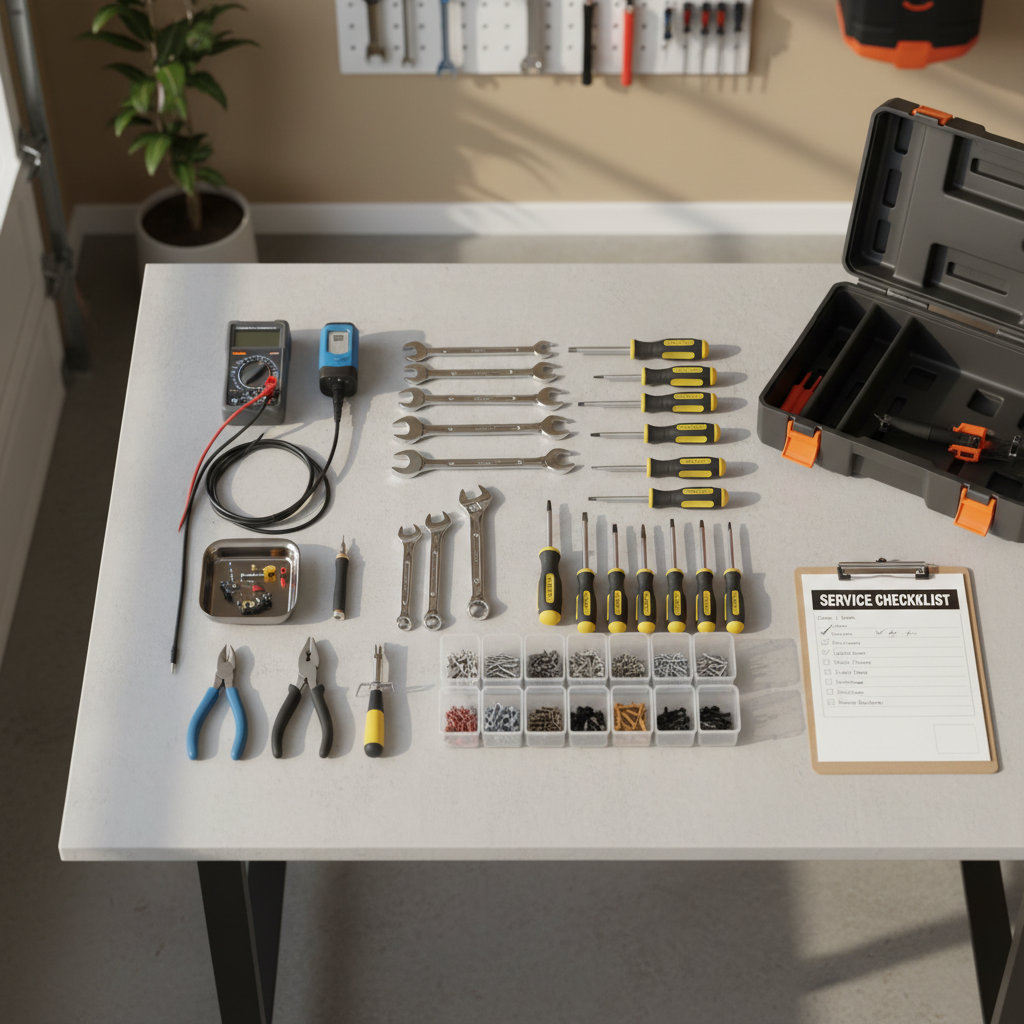
Continuous Improvement
Effective defect management is an ongoing process. Continuous improvement involves analyzing past defects, identifying patterns, and implementing changes to prevent recurrence. Learning from previous experiences allows facility managers to refine their strategies and enhance the overall maintenance process.
Training and Development
Investing in training for maintenance staff is vital to improve defect management practices. Training programs should focus on the latest techniques and tools available for defect detection and repair. By keeping the team informed and skilled, organizations can ensure a proactive approach to building maintenance.