
Ensuring Safety and Security in Australian Buildings: Best Practices


Introduction to Building Safety and Security
Ensuring safety and security in Australian buildings is a critical concern for architects, builders, and facility managers. With the increasing complexity of modern structures, implementing effective safety measures is essential to protect occupants and assets. This blog post explores best practices for maintaining safety and security in Australian buildings.
Understanding Regulatory Requirements
Australia has stringent building codes and regulations designed to ensure the structural integrity and safety of buildings. Compliance with these regulations is mandatory, and they cover everything from fire safety to structural stability. Familiarizing oneself with the latest requirements is crucial for all stakeholders involved in building design and maintenance.
Key regulations include the National Construction Code (NCC), which sets out minimum standards for building safety. Regular updates to the NCC mean continuous learning and adaptation are necessary to stay compliant.
Fire Safety Measures
Fire safety is a paramount concern in any building. Implementing comprehensive fire safety measures can prevent loss of life and property. Essential components include the installation of fire alarms, smoke detectors, and sprinkler systems. Regular maintenance and testing of these systems ensure their effectiveness in an emergency.
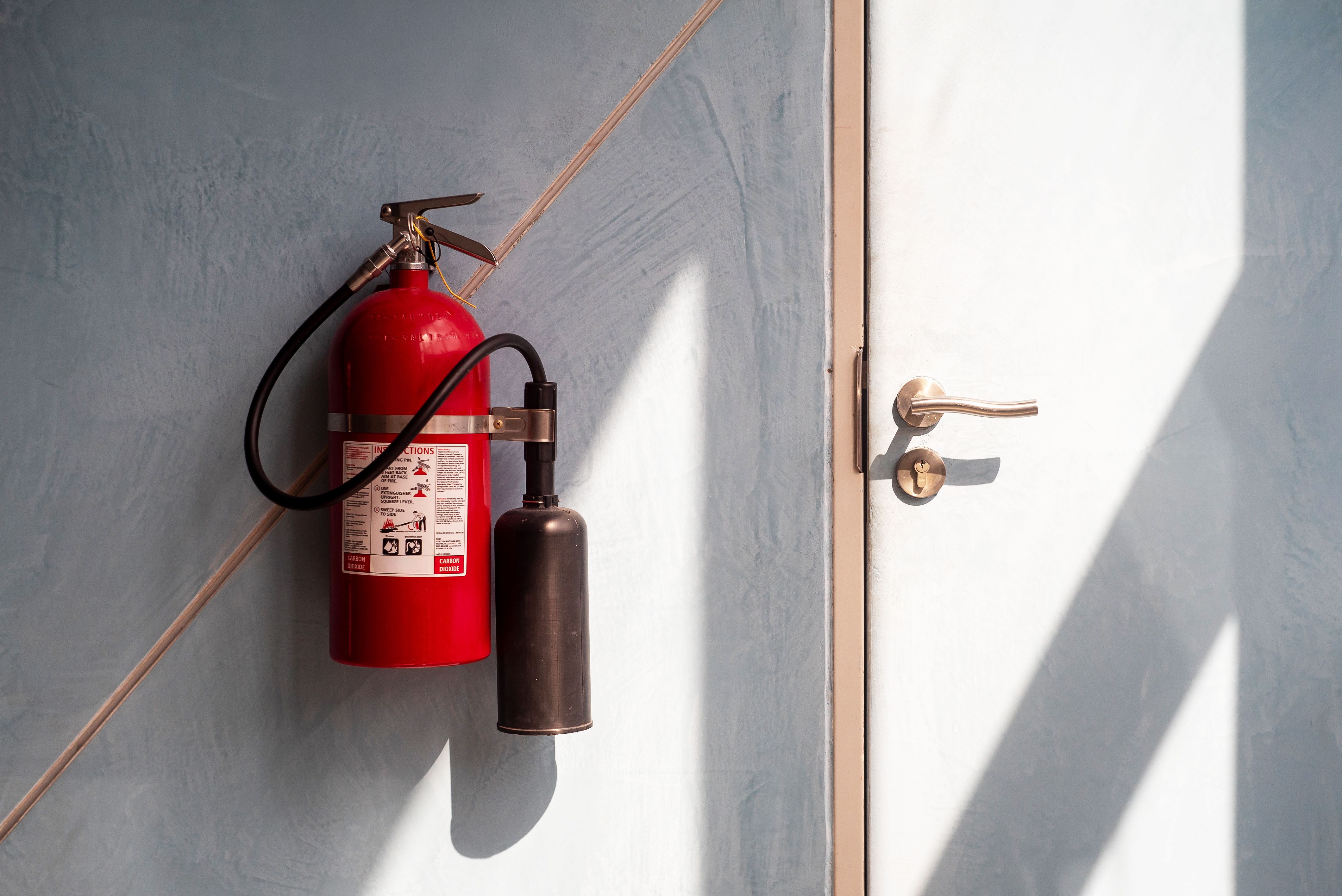
Furthermore, clear evacuation routes and well-marked exits are critical. Building occupants should be familiar with evacuation procedures through regular drills and training sessions.
Security Systems and Access Control
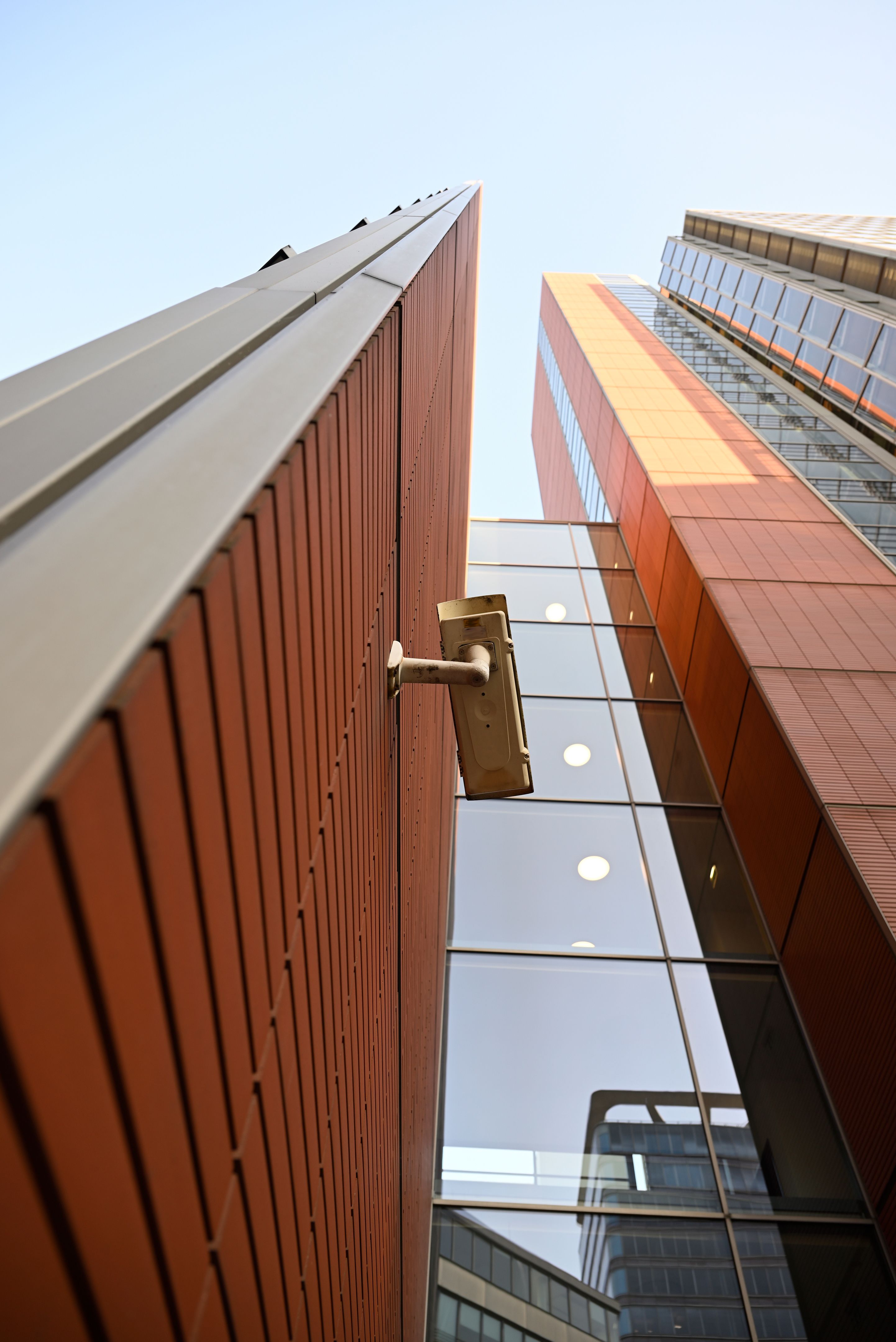
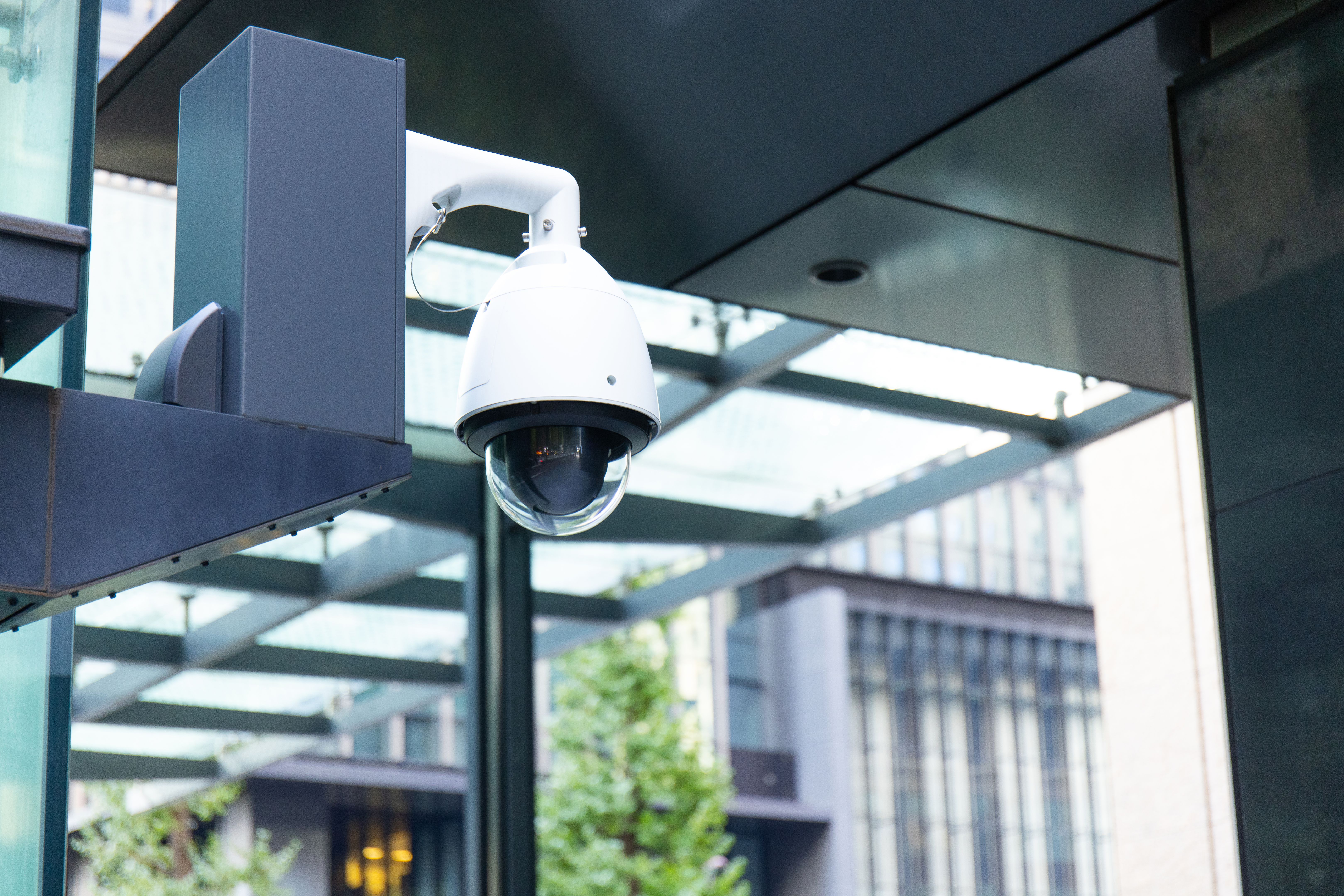
Modern buildings often incorporate advanced security systems to protect against unauthorized access. These systems can include surveillance cameras, alarm systems, and access control mechanisms such as keycards or biometric scanners. Choosing the right combination of technologies depends on the specific needs and vulnerabilities of the building.
Access control systems not only enhance security but also allow for efficient monitoring of who enters and exits the building, providing an additional layer of safety.
Structural Safety and Maintenance
Regular maintenance is essential to ensure the structural integrity of a building. Routine inspections can identify potential issues before they become critical problems. Structural elements such as beams, columns, and foundations should be regularly assessed by qualified professionals.
Additionally, addressing wear and tear promptly can prevent accidents and prolong the lifespan of the building. Implementing a preventive maintenance program helps in achieving this goal.
Emergency Preparedness and Response
Having a well-developed emergency preparedness plan is vital for minimizing risks during unforeseen events. This plan should include clear roles and responsibilities, communication strategies, and coordination with local emergency services. Regular training and drills can help ensure that all building occupants are prepared to respond effectively in an emergency.
Conclusion
Ensuring the safety and security of Australian buildings requires a multifaceted approach that includes compliance with regulations, implementation of advanced technologies, and proactive maintenance strategies. By adhering to these best practices, building owners and managers can create safer environments for all occupants, enhancing the overall quality of life and protecting valuable assets.