
Ensuring Building Safety Compliance in Australia: Key Regulations and Best Practices


Ensuring building safety compliance in Australia is a critical aspect of the construction and real estate industries. Adhering to the regulations not only ensures the safety and well-being of occupants but also protects property owners from legal liabilities and potential financial losses. In this article, we delve into the key regulations and best practices that are essential for maintaining building safety compliance.
Understanding Key Regulations
The Australian National Construction Code (NCC) serves as the primary framework guiding building safety regulations across the country. It provides a comprehensive set of standards that builders and property owners must follow to ensure the safety and integrity of structures.
Additionally, each state and territory in Australia may have its own specific regulations and requirements. It is crucial for builders and developers to be familiar with both national and local codes to ensure full compliance. Failure to comply with these regulations can result in substantial penalties and legal challenges.
Fire Safety Standards
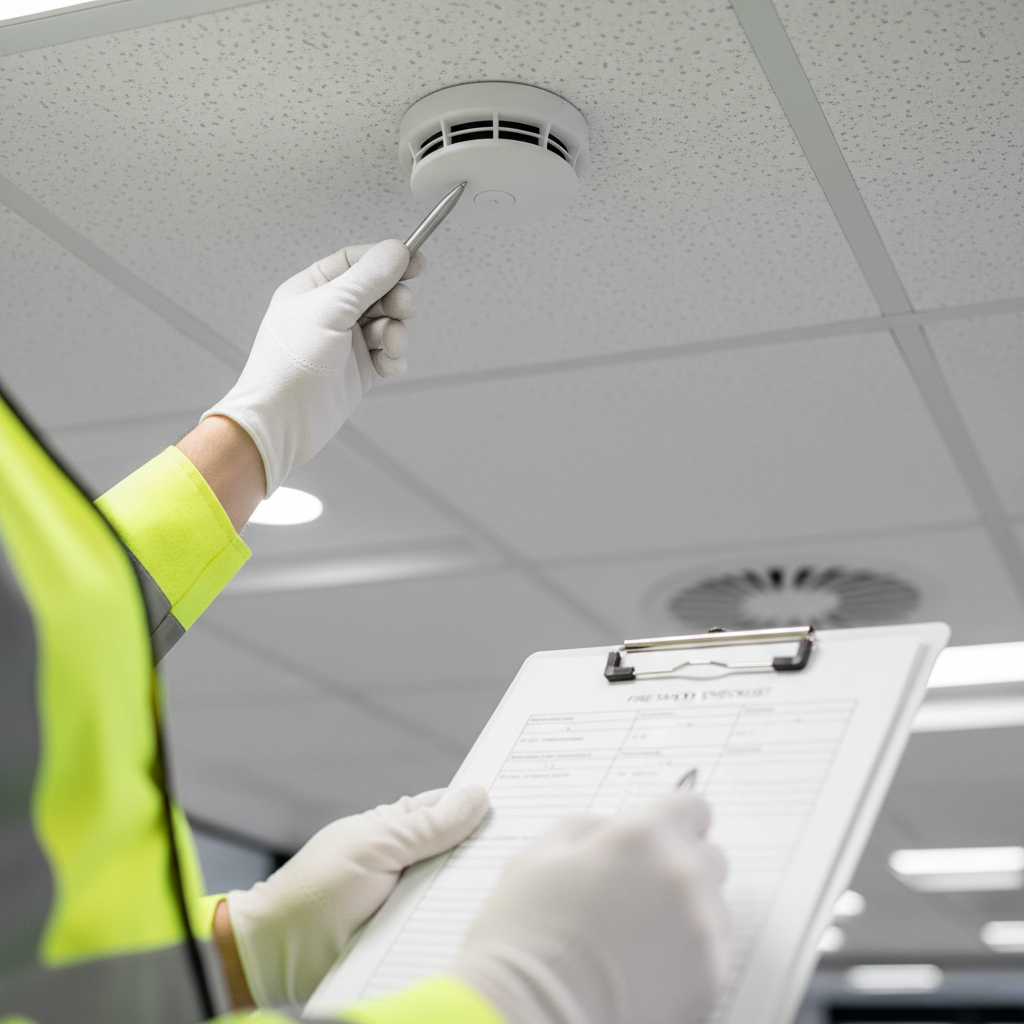
Fire safety is a major component of building safety compliance. The NCC outlines detailed requirements for fire resistance, emergency exits, and fire detection systems. Implementing robust fire safety measures not only complies with regulations but also significantly reduces the risk of fire-related incidents.
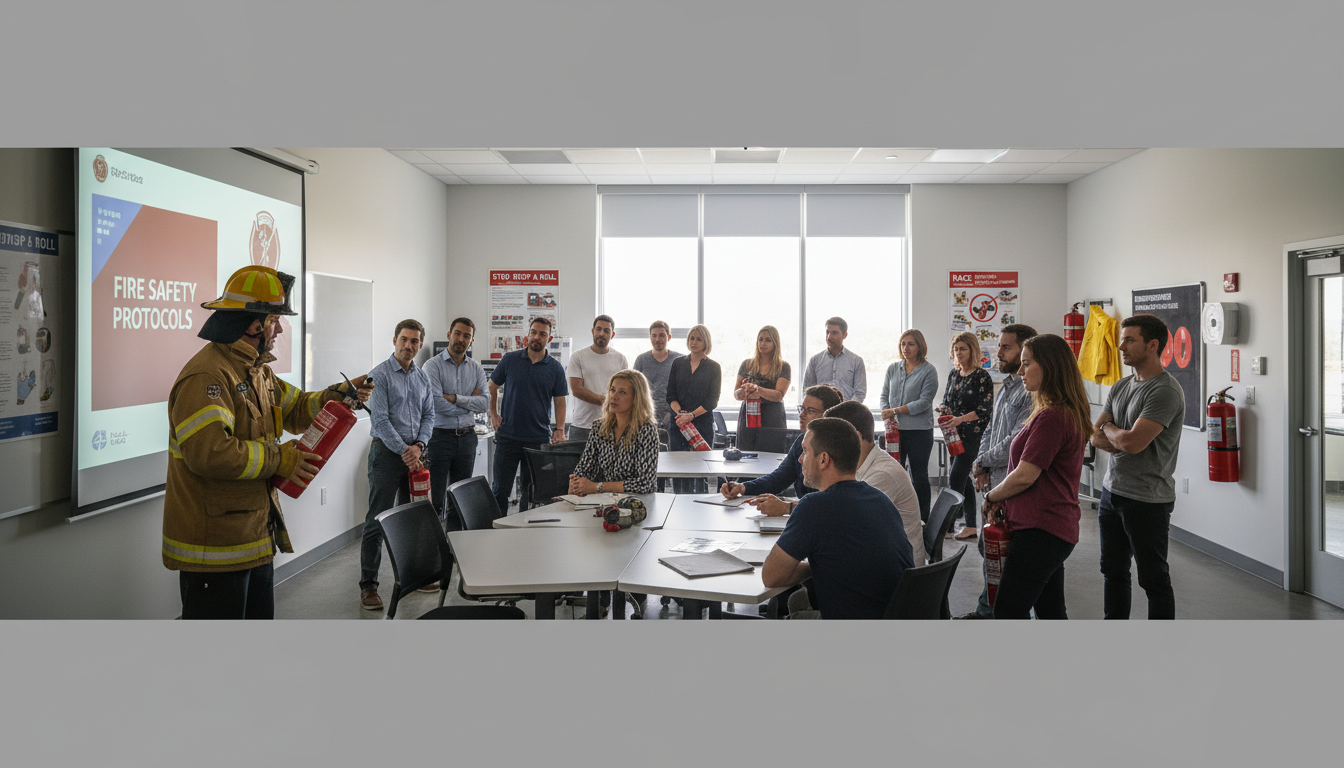
Regular fire safety audits and drills are recommended as best practices to ensure that all systems are functioning correctly and that occupants know the proper procedures in case of an emergency.
Structural Integrity and Maintenance
Ensuring the structural integrity of a building is another critical aspect of safety compliance. This involves regular inspections and maintenance to identify and rectify potential issues before they escalate into serious problems.
Building owners should engage qualified professionals to conduct thorough inspections and create maintenance schedules. This proactive approach helps in extending the lifespan of the building and maintaining its safety standards.
Electrical Safety Regulations
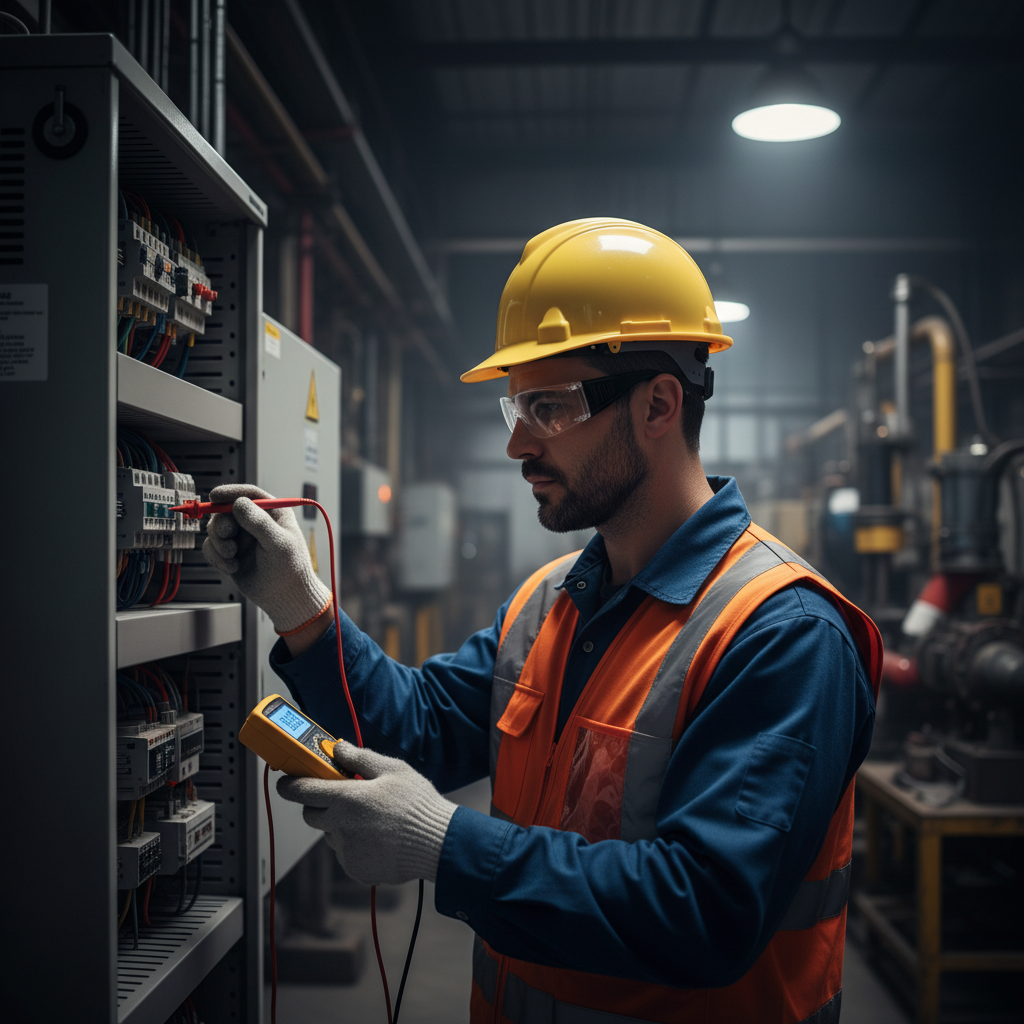
Electrical safety is paramount in preventing accidents and ensuring the smooth operation of a building. Compliance with electrical standards involves regular testing and maintenance of all electrical systems, including wiring, lighting, and appliances.
Contracting certified electricians for routine inspections and updates ensures that all electrical installations meet the current safety standards, thus reducing the risk of electrical fires and other hazards.
Best Practices for Building Safety
Implementing best practices is essential for maintaining continuous compliance with building safety regulations. One effective strategy is to establish a comprehensive safety management plan that outlines all safety measures, emergency procedures, and maintenance activities.
Training staff and occupants on safety protocols is equally important. Regular workshops and informational sessions help in fostering a culture of safety and awareness within the building community.
Utilizing Technology for Safety Compliance
Technology plays a significant role in enhancing building safety compliance. From smart fire detection systems to automated maintenance scheduling, leveraging technology can streamline safety processes and improve efficiency.
Investing in building management systems that offer real-time monitoring and alerts can significantly enhance the safety of a building, ensuring that issues are addressed promptly and effectively.
In conclusion, ensuring building safety compliance in Australia requires a thorough understanding of relevant regulations and the implementation of proactive best practices. By prioritizing safety, property owners can safeguard their investments and provide a secure environment for all occupants.