
DIY Waste Management Tips for Australian Residents


Understanding Waste Types
Managing waste efficiently begins with understanding the different types of waste. In Australia, waste can be broadly categorized into household, organic, recyclable, and hazardous waste. Each type requires a specific approach for disposal and treatment. Knowing these categories can help you implement an effective waste management strategy at home.
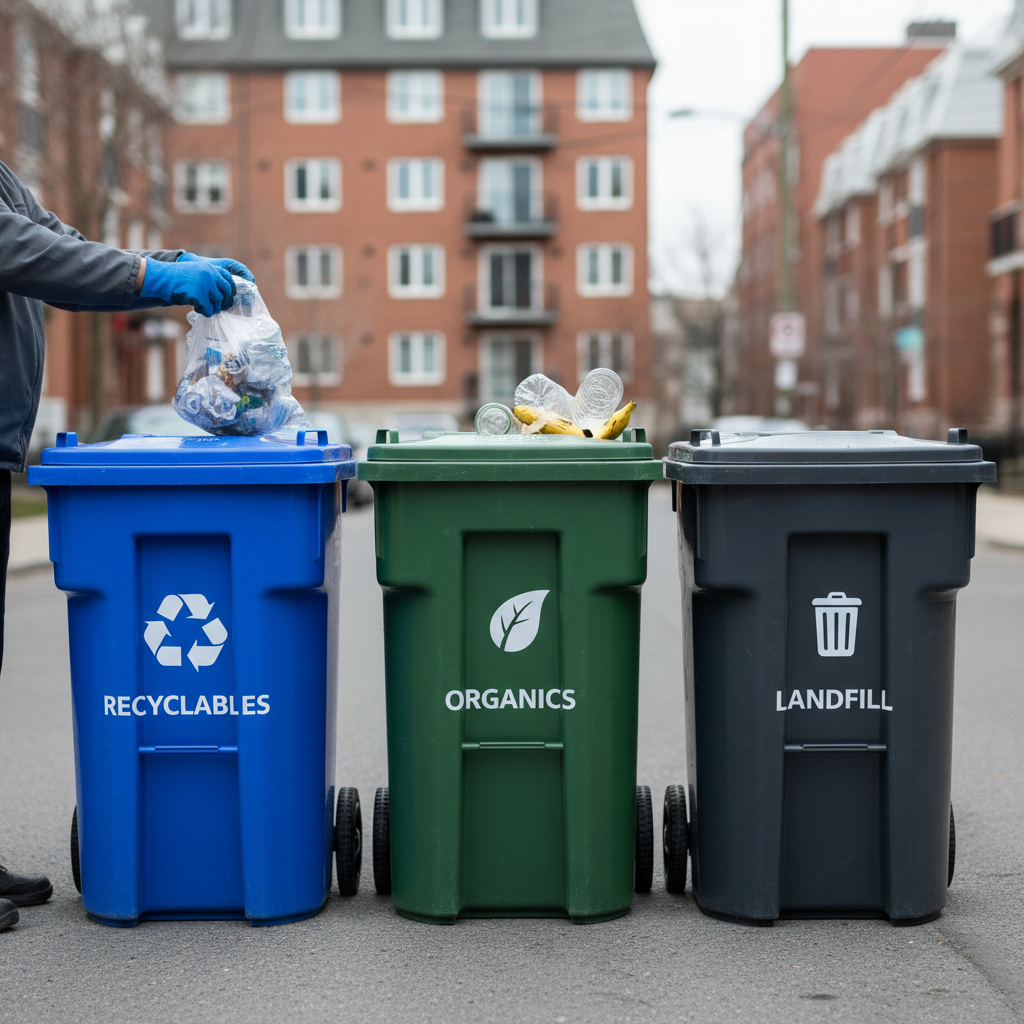
Household waste includes everyday items such as packaging, food scraps, and broken items. Recyclable waste encompasses materials like paper, glass, and certain plastics. Organic waste consists of food and garden waste, while hazardous waste includes chemicals, batteries, and electronics.
Reduce, Reuse, Recycle
The three R's—Reduce, Reuse, and Recycle—are fundamental principles in waste management. By reducing the amount of waste you produce, reusing items instead of discarding them, and recycling materials, you can significantly lessen your environmental impact.
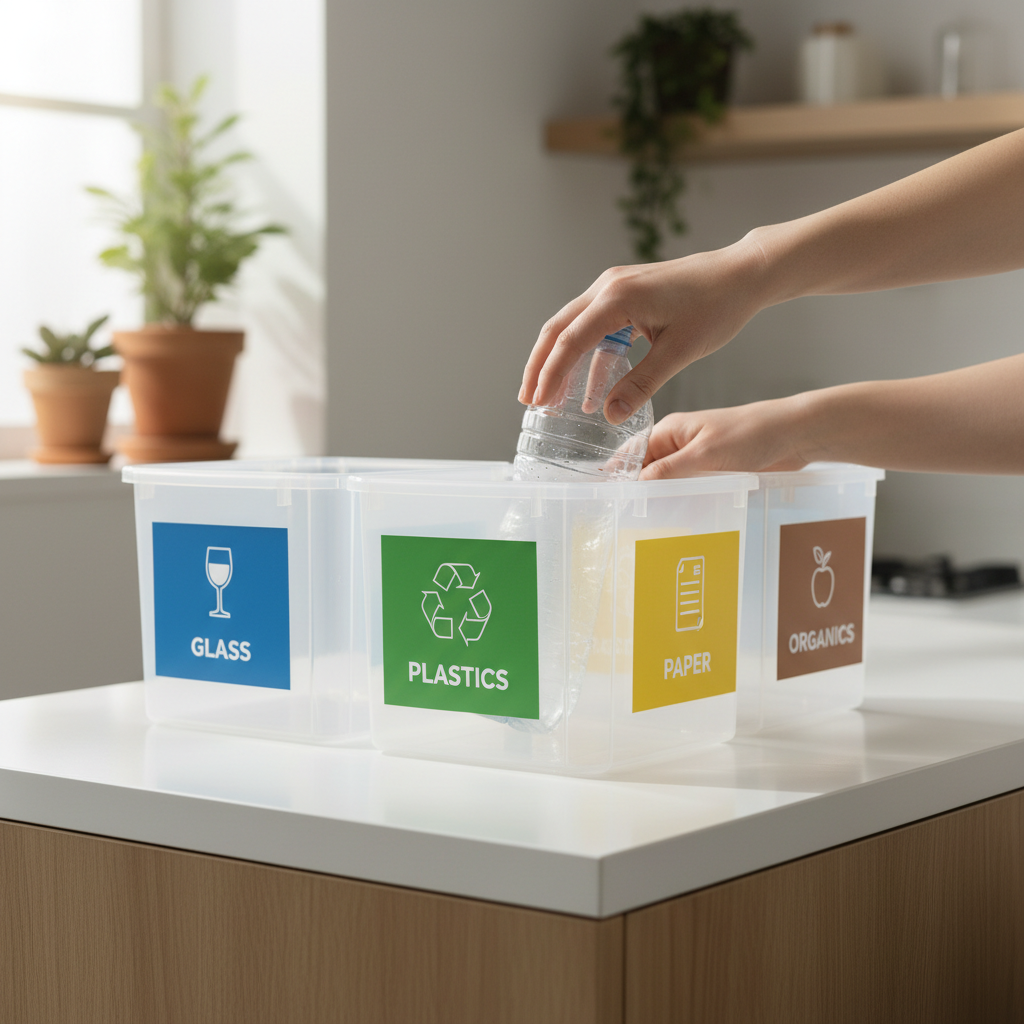
Start by purchasing products with minimal packaging and opting for reusable items, such as cloth bags and metal water bottles. When it comes to recycling, ensure you separate materials correctly and clean them before placing them in the bin.
Composting Organic Waste
Composting is an excellent way to manage organic waste. By turning food scraps and garden waste into compost, you not only reduce waste but also create nutrient-rich soil for your garden. Setting up a compost bin in your backyard is simple and cost-effective.
To start composting, choose a suitable spot in your garden and layer green waste, like fruit peels, with brown waste, such as dried leaves. Regularly turning the compost pile will help speed up the decomposition process.
Proper Disposal of Hazardous Waste
Hazardous waste requires special attention. Items such as batteries, paints, and electronics should never be disposed of with regular waste due to their potential to harm the environment. Instead, take advantage of local community collection events or drop-off points specifically designed for hazardous materials.

Check with your local council for guidelines on disposing of hazardous waste. Many areas offer free drop-off services to ensure these items are handled safely and responsibly.
Community Involvement
Engaging with your community can enhance your waste management efforts. Participating in local clean-up events or joining a community garden can provide valuable opportunities to learn from others and share your own knowledge.
Encouraging neighbors to adopt waste management practices can lead to a more sustainable community. Sharing resources, like tools or compost bins, can also make these practices more accessible to everyone.
Conclusion
Effective waste management is a collective effort that begins at home. By understanding waste types, practicing the three R's, composting, properly disposing of hazardous materials, and engaging with your community, you can contribute to a healthier environment. Implement these DIY tips and become a part of the solution for a cleaner Australia.