
Defect Management Solutions: How to Ensure Quality in Building Maintenance


Understanding Defect Management in Building Maintenance
Defect management is a critical aspect of maintaining the quality and safety of buildings. It involves identifying, documenting, and resolving defects to ensure that facilities remain in optimal condition. Effective defect management can help extend the lifespan of a building and reduce maintenance costs over time.
In the context of building maintenance, a "defect" refers to any flaw or issue that affects the structural integrity or functionality of a building. These defects can range from minor cosmetic issues to major structural problems that require immediate attention.
The Importance of Early Detection
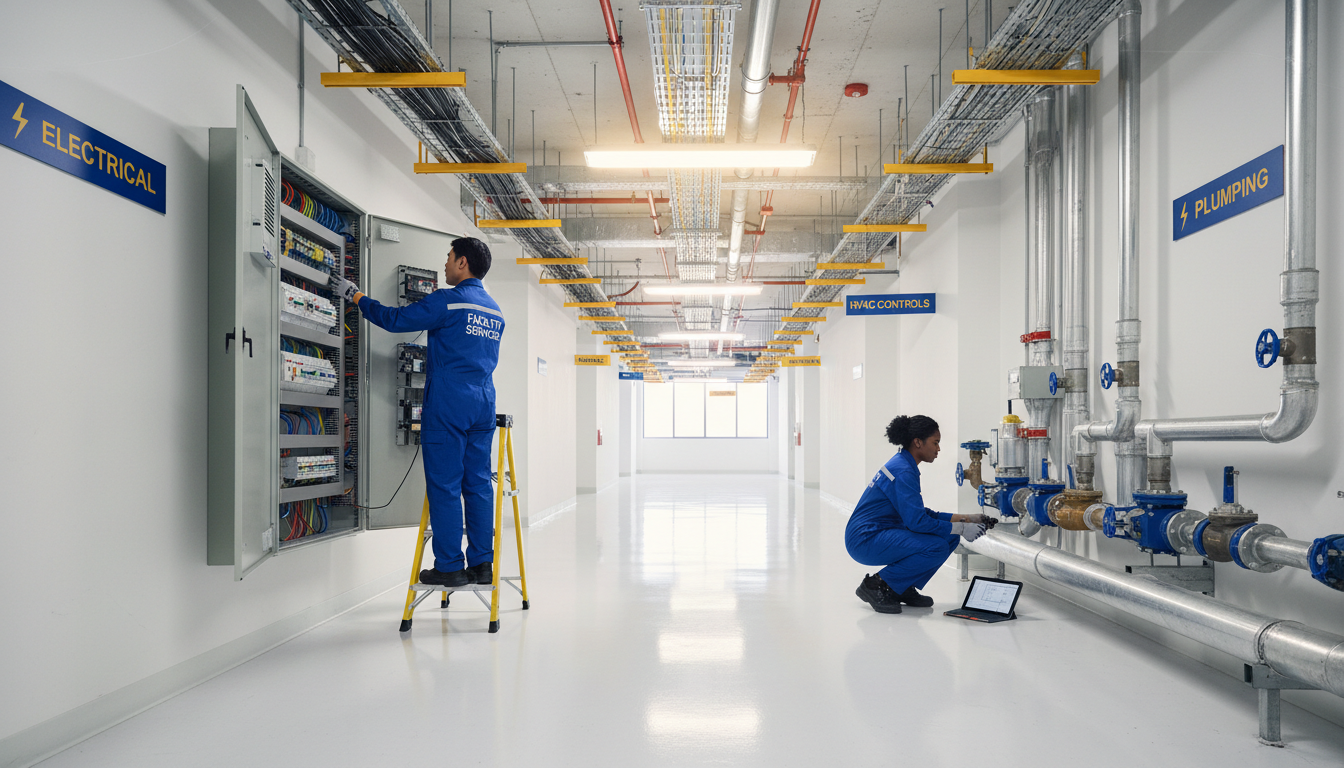
Early detection of defects is crucial in preventing small problems from becoming significant issues. Regular inspections and maintenance checks are essential in identifying defects early. Implementing a comprehensive inspection schedule can help facility managers stay ahead of potential problems.
Using modern technology, such as drones and thermal imaging, can enhance the accuracy and efficiency of inspections. These tools allow maintenance teams to identify defects that may not be visible to the naked eye, such as leaks or insulation issues.

Steps in the Defect Management Process
Effective defect management involves a series of steps to ensure that issues are resolved promptly and efficiently. Here is a typical process:
- Identification: Regular inspections help identify defects early.
- Documentation: Once identified, defects should be thoroughly documented, including photographs and detailed descriptions.
- Prioritization: Not all defects are equal; prioritize them based on severity and impact on safety.
- Resolution: Develop and implement a plan to address and fix the defects.
- Verification: After resolution, verify that the defect has been adequately addressed.
Leveraging Technology for Better Outcomes
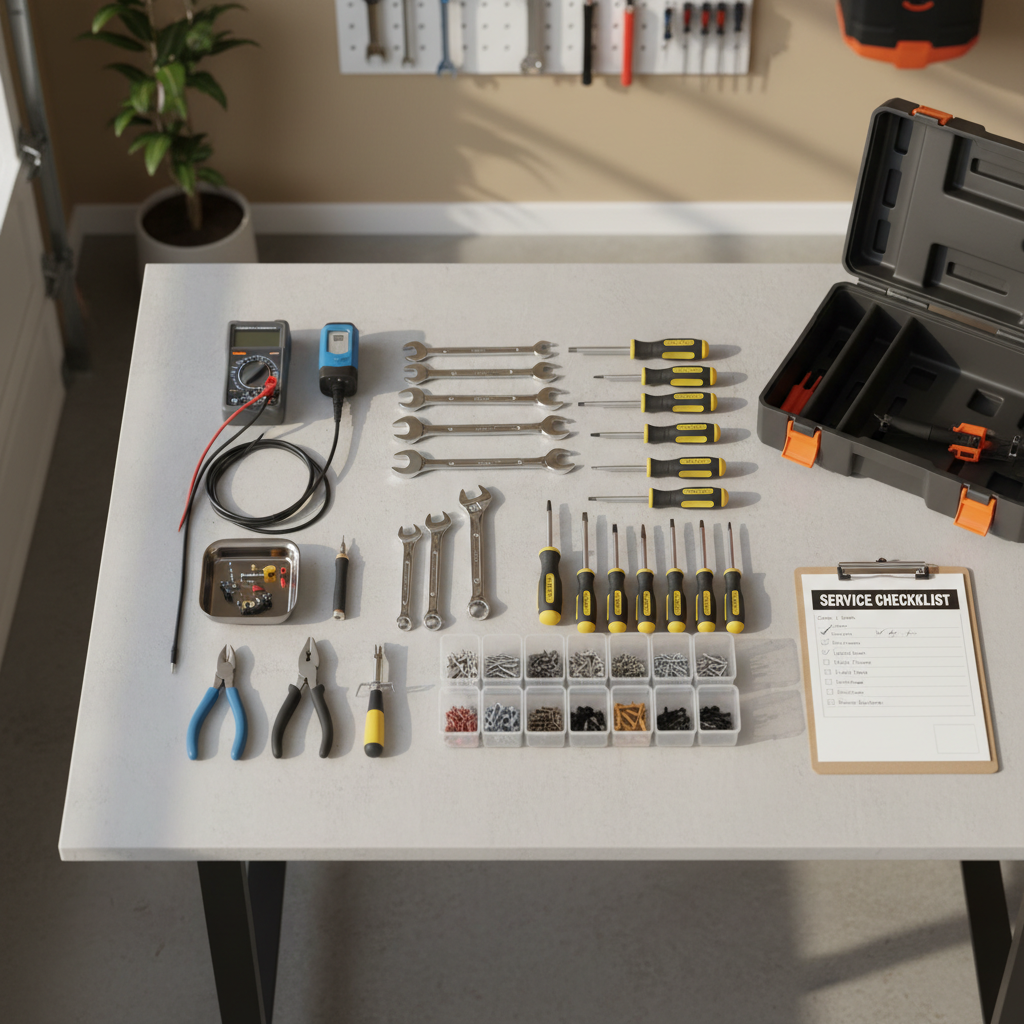
Technology plays a significant role in modern defect management. Maintenance management software can streamline the entire process, from defect identification to resolution. These systems allow for real-time tracking and reporting, enhancing communication among team members.
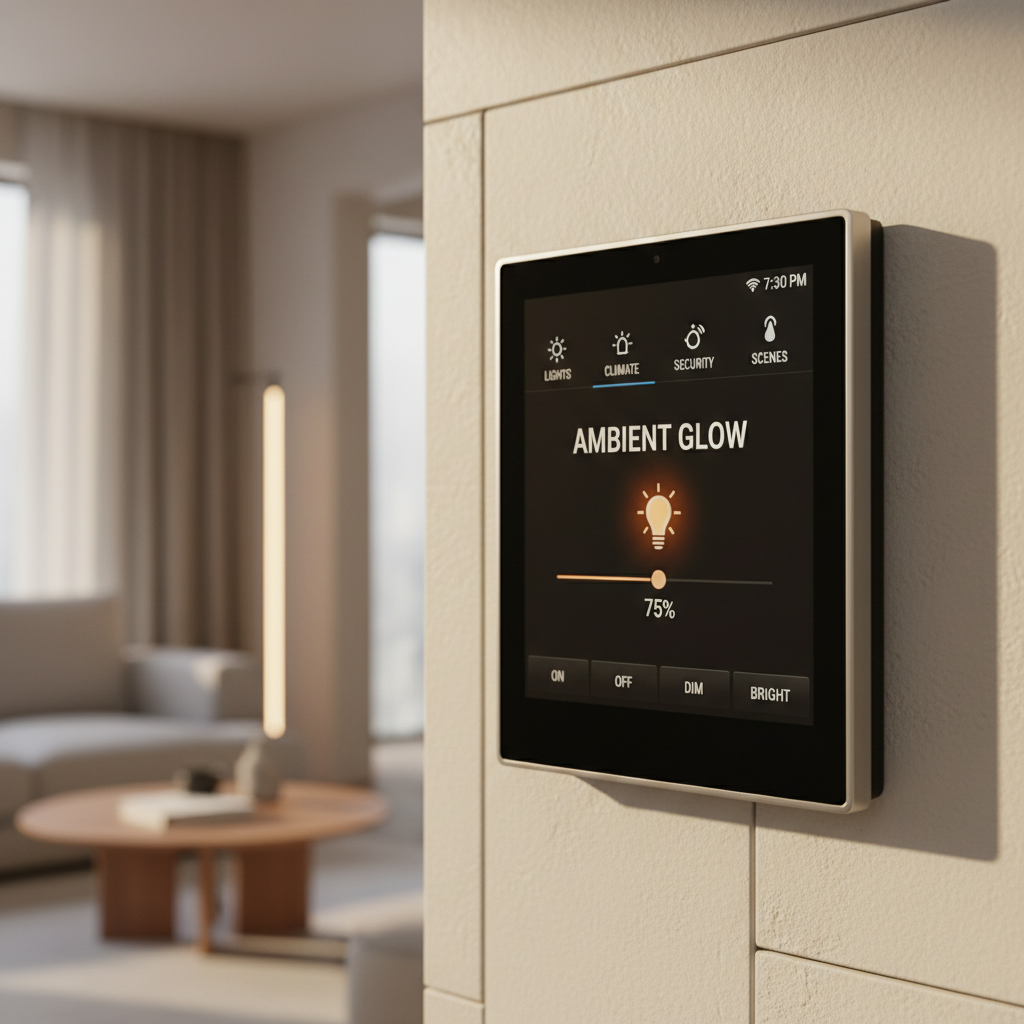
Moreover, integrating IoT devices can provide real-time monitoring of building systems, alerting maintenance teams to potential issues before they become defects. This proactive approach can significantly reduce downtime and repair costs.
Training and Skill Development
Ensuring quality in defect management also involves investing in the training and skill development of maintenance personnel. Regular training sessions can keep staff updated on the latest techniques and technologies used in defect management.
Additionally, fostering a culture of continuous improvement within the maintenance team can lead to more effective problem-solving and innovation in addressing building defects.
The Role of Communication
Effective communication is essential in defect management. Clear communication channels between maintenance teams, facility managers, and tenants ensure that everyone is aware of ongoing issues and the steps being taken to resolve them.
Utilizing digital platforms for communication can enhance transparency and accountability, ensuring that defects are addressed in a timely manner and stakeholders are kept informed.

Conclusion: A Holistic Approach to Quality Assurance
By implementing a comprehensive defect management solution, facility managers can ensure the long-term quality and safety of their buildings. A proactive and technologically advanced approach not only addresses current defects but also prevents future issues, safeguarding investments and maintaining tenant satisfaction.
In conclusion, defect management is a vital component of building maintenance that requires a strategic approach, combining early detection, technology, training, and effective communication to ensure quality and safety.