
Creating a Safer Environment: Safety and Security Tips for Building Managers


Understanding the Importance of Safety and Security
Building managers play a crucial role in ensuring the safety and security of their premises. With various responsibilities, from managing staff to overseeing maintenance, focusing on safety can sometimes become overwhelming. However, prioritizing a secure environment is essential for the well-being of tenants and visitors.
Effective safety measures not only protect individuals but also enhance the reputation of the building. By implementing strategic safety protocols, building managers can minimize risks and create a more welcoming environment.
Conducting Regular Safety Audits
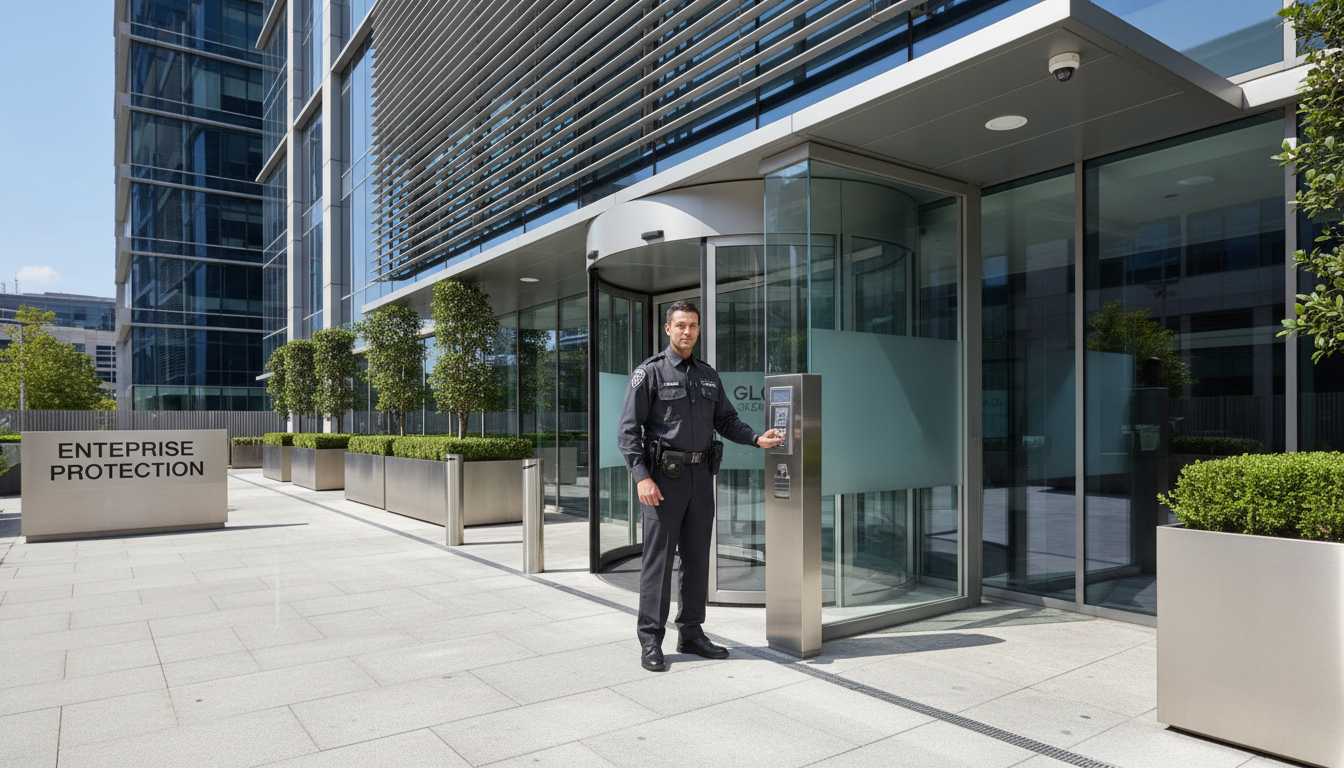
One of the first steps in creating a safer environment is conducting regular safety audits. These audits help identify potential hazards and vulnerabilities within the building.
- Inspect fire safety equipment such as extinguishers and alarms.
- Ensure all emergency exits are clearly marked and accessible.
- Check for any structural damages that could pose a risk.
By routinely assessing the building's safety features, managers can address issues before they escalate into serious problems.
Implementing Access Control Systems
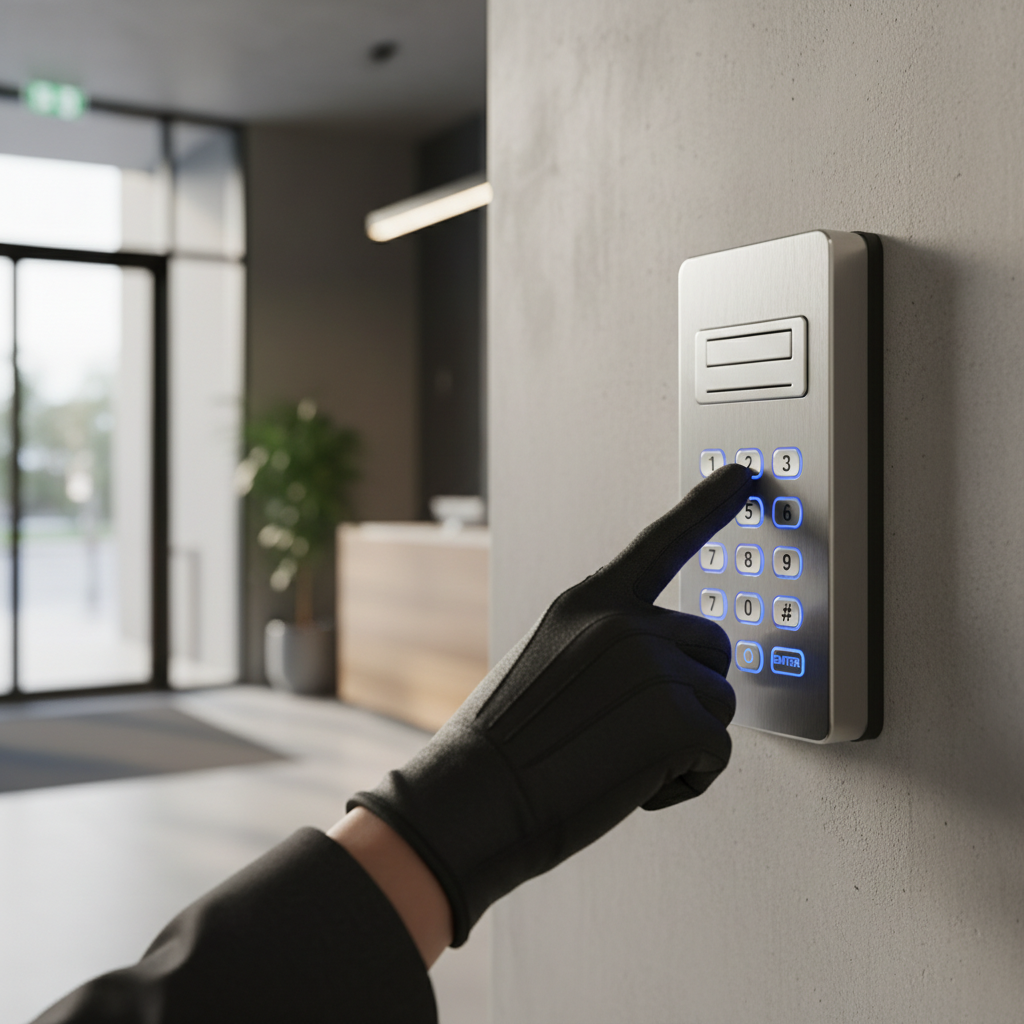
Access control systems are an effective way to manage who enters and exits the building. These systems can range from simple keycard access to more advanced biometric systems.
Implementing such systems not only enhances security but also provides useful data on building occupancy and usage patterns. Building managers should ensure that all systems are regularly updated and maintained for optimal performance.
Training Staff and Tenants
Education and training are critical components of building safety. Staff and tenants should be well-informed about emergency procedures and safety protocols.
- Conduct regular fire drills and emergency evacuation exercises.
- Provide training sessions on the use of safety equipment.
- Encourage tenants to report any suspicious activities immediately.
By fostering a culture of safety awareness, building managers can empower everyone to contribute to a safer environment.
Enhancing Surveillance and Monitoring
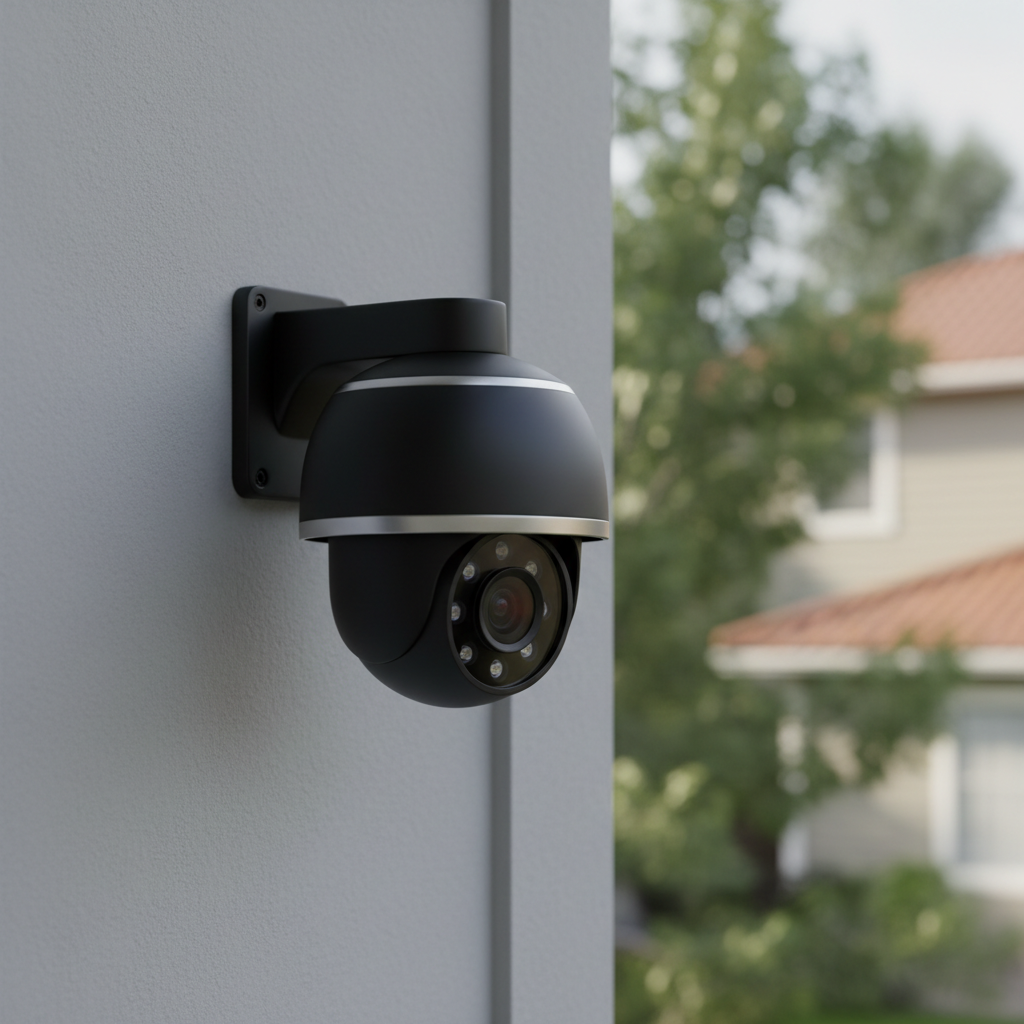
Surveillance systems play a crucial role in deterring crime and ensuring the safety of a building. Installing high-quality cameras in strategic locations can significantly reduce security risks.
Ensure that all surveillance equipment is in good working order and that footage is regularly reviewed. This proactive approach not only helps in preventing incidents but also provides valuable evidence if needed.
Emergency Preparedness and Communication
Being prepared for emergencies is a vital aspect of building management. It is essential to have a comprehensive emergency response plan in place.
Effective communication channels should be established to ensure swift dissemination of information during an emergency. This can include intercom systems, email alerts, and messaging apps.
By prioritizing emergency preparedness, building managers can mitigate the impact of unforeseen events and ensure the safety of all occupants.