
Common Myths About Cleaning and Waste Management in Australia Debunked


Myth 1: All Cleaning Products Are the Same
One common misconception is that all cleaning products are created equal. In reality, the effectiveness of cleaning agents can vary significantly. Some are specifically formulated to tackle particular stains or bacteria, while others may be designed for general use. It's crucial to select the right product for your specific cleaning needs to ensure optimal hygiene and cleanliness.

Myth 2: Recycling Doesn't Make a Difference
Many people believe that their individual recycling efforts don't contribute to significant environmental improvements. However, recycling plays a vital role in reducing landfill waste and conserving natural resources. In Australia, recycling helps divert millions of tonnes of waste from landfills each year and supports the creation of new products from recycled materials.
Myth 3: Biodegradable Products Break Down Anywhere
There's a common belief that biodegradable products will decompose in any environment. In truth, these products require specific conditions to break down effectively, such as the presence of oxygen, moisture, and microorganisms. Without these conditions, biodegradable items may not decompose as expected.
Myth 4: Professional Cleaning Services Are Too Expensive
Many assume that hiring professional cleaning services is a luxury they cannot afford. However, professional services can be cost-effective, especially when you consider the time and effort saved. These services often provide more thorough cleaning, using specialized equipment and products, ensuring a higher standard of cleanliness.
Myth 5: Waste Management Is Solely Government Responsibility
While government initiatives play a significant role in waste management, individuals and businesses also have a crucial part to play. By practicing responsible waste disposal and recycling, we can collectively reduce the environmental impact and improve sustainability efforts. Each small action contributes to a larger positive outcome.
Myth 6: All Waste Can Be Recycled
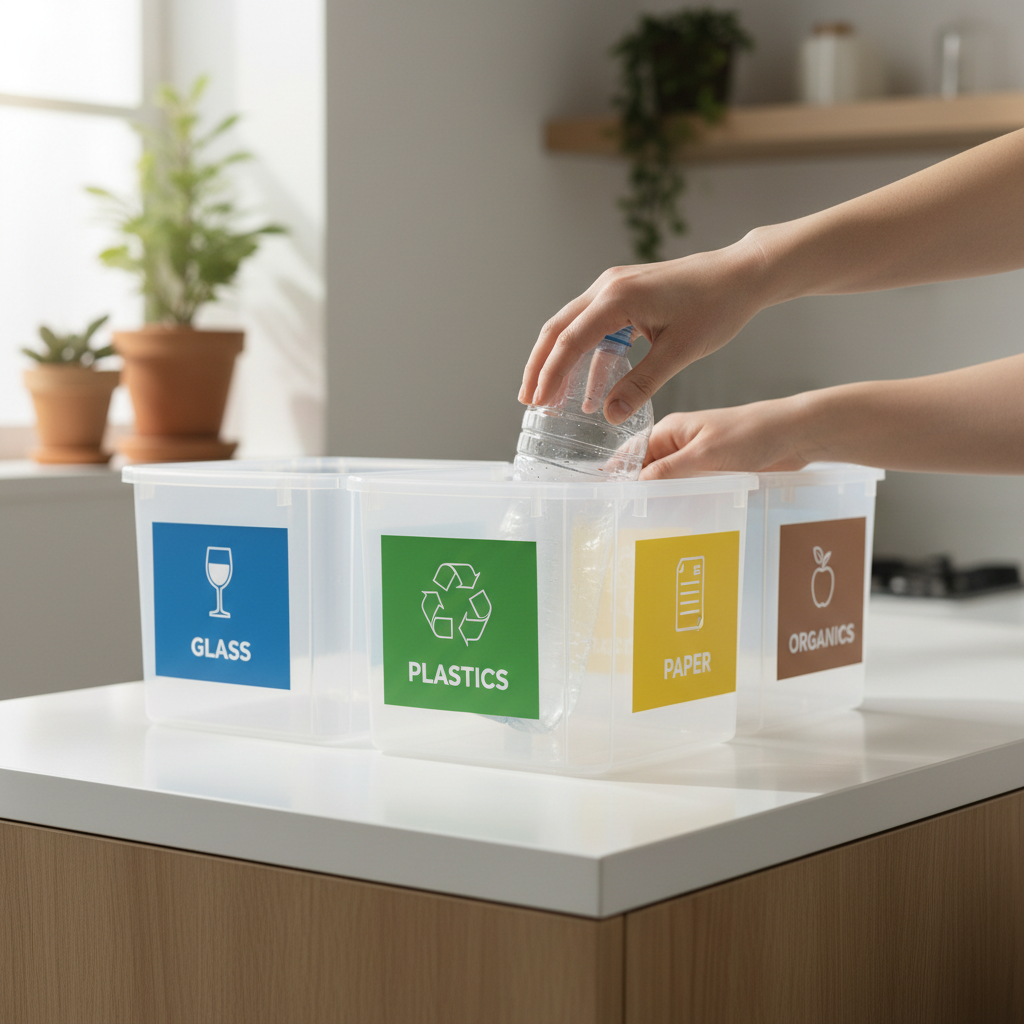
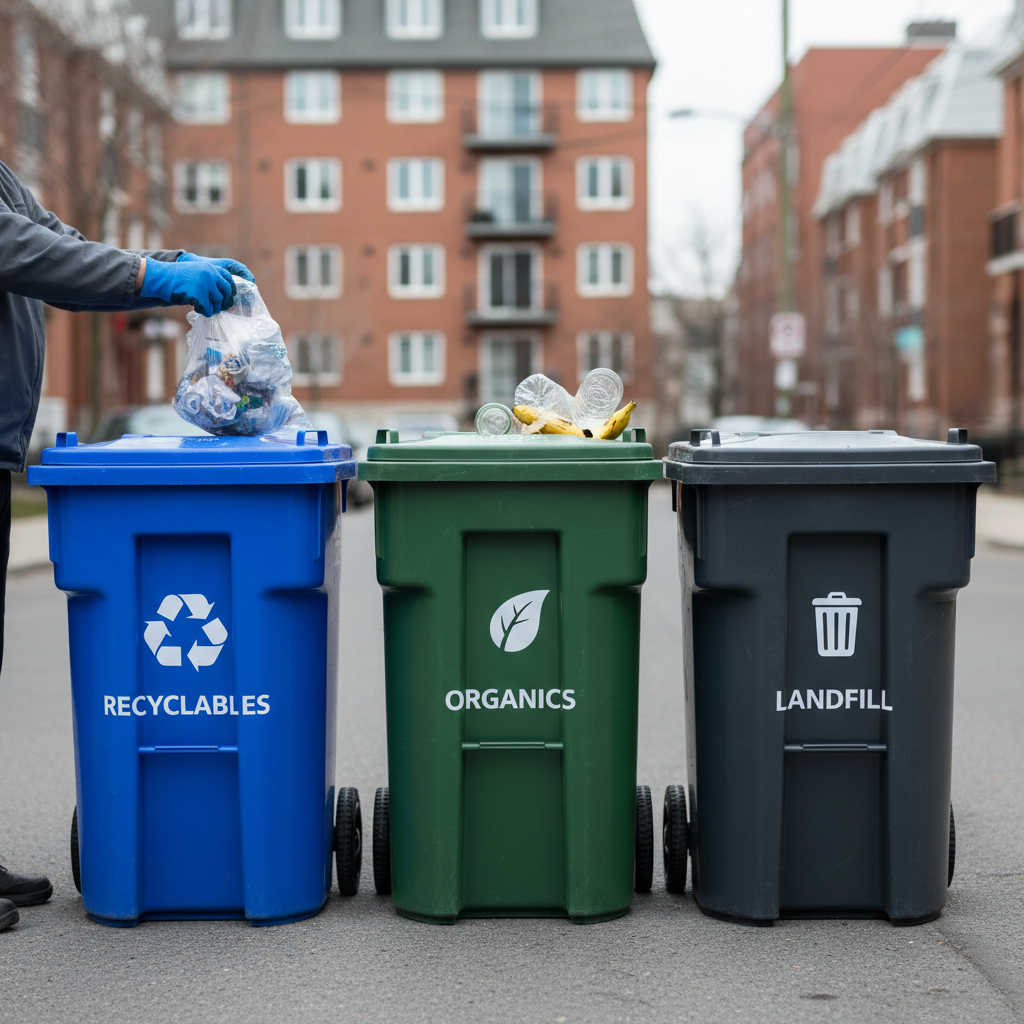
Not all waste is recyclable, and it's essential to understand which materials can be processed. Items like certain plastics, electronic waste, and hazardous materials often require special handling and disposal methods. Being informed about what can and cannot be recycled helps improve the efficiency of recycling programs.
Myth 7: Cleaning Is Only About Appearance
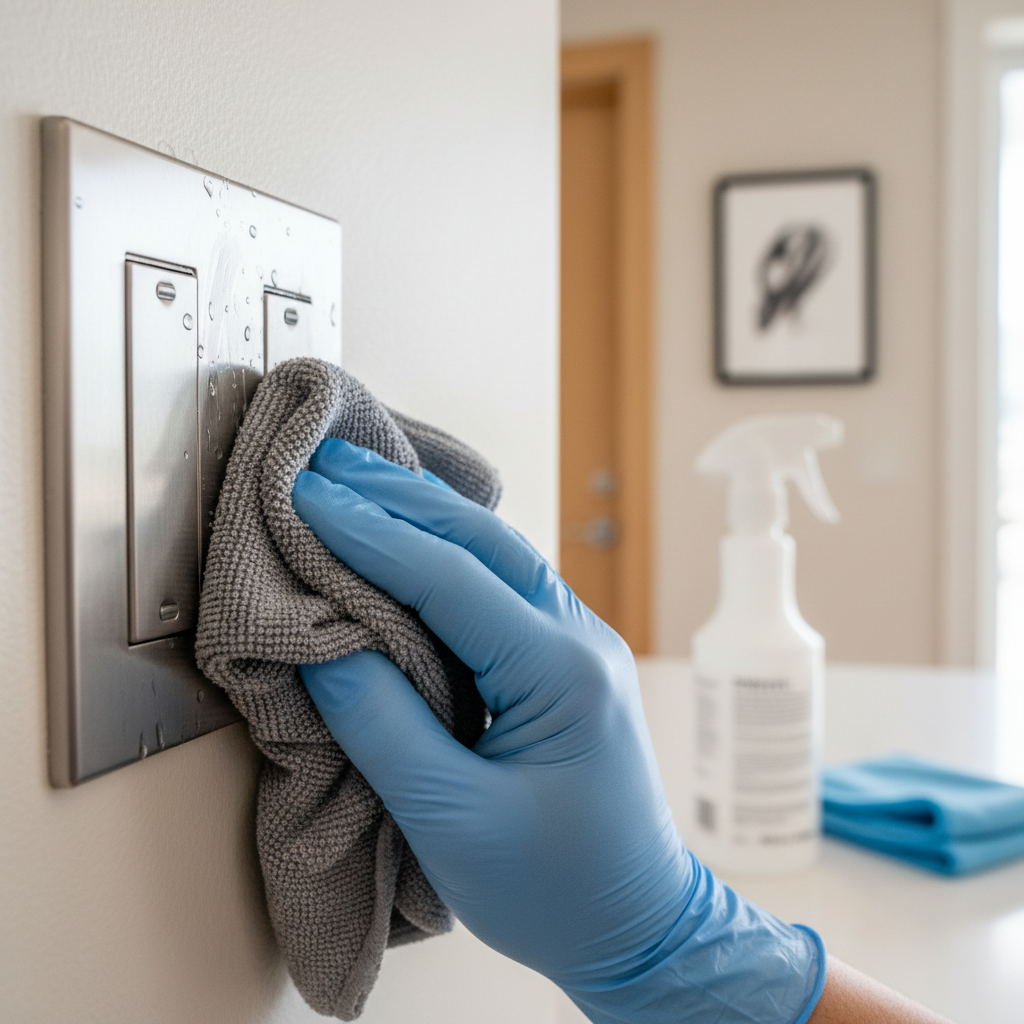
While a clean appearance is important, effective cleaning goes beyond aesthetics. It involves eliminating harmful bacteria and allergens, promoting better health and safety. Regular cleaning can prevent the spread of illnesses and create a healthier environment at home and in the workplace.
Myth 8: Composting Is Too Complicated
Some believe that composting is a complex process best left to experts. In reality, basic composting can be simple and rewarding. By composting organic waste, individuals can reduce their environmental footprint and create nutrient-rich soil for gardening, turning waste into a valuable resource.