
Case Study: Successful Implementation of Safety Measures in Australian Buildings


Introduction to Safety Measures in Australian Buildings
The implementation of safety measures in buildings is a crucial aspect of urban development, especially in a country like Australia, where diverse architectural styles and environmental conditions pose unique challenges. This case study delves into the successful strategies and practices adopted to enhance building safety across the nation.
Australia's rigorous safety standards have set a benchmark globally, ensuring not only the protection of occupants but also the sustainability and resilience of structures. These measures have been instrumental in mitigating risks and enhancing the overall safety framework.
Key Components of Safety Implementation
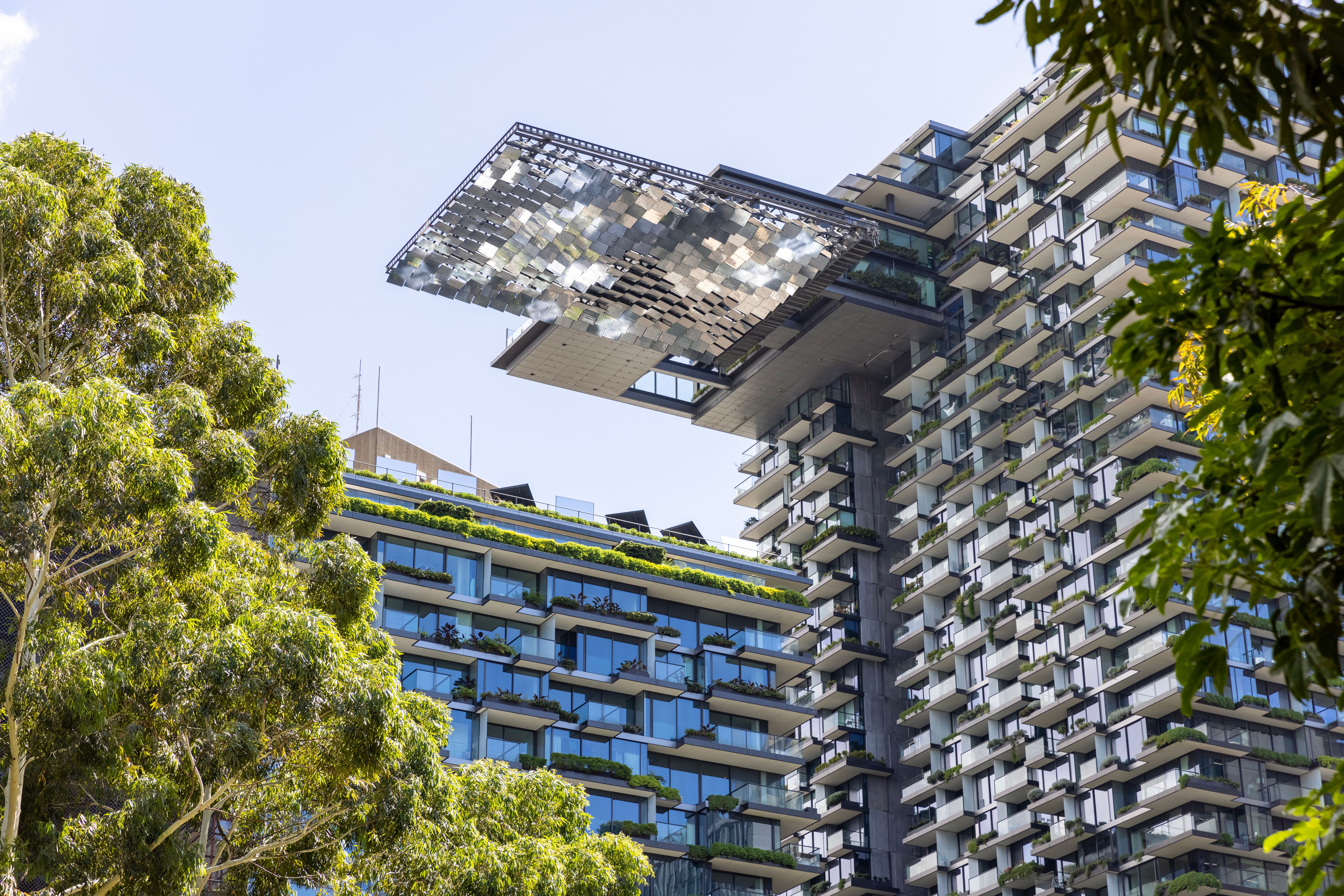
Several core components are integral to the successful implementation of safety measures in Australian buildings. These include adherence to building codes, leveraging advanced technology, and ongoing education and training for stakeholders.
Building Codes and Regulations: Compliance with the National Construction Code (NCC) is mandatory. It encompasses fire safety, structural integrity, and accessibility, ensuring a comprehensive safety net for all types of buildings.
Technological Innovations in Building Safety
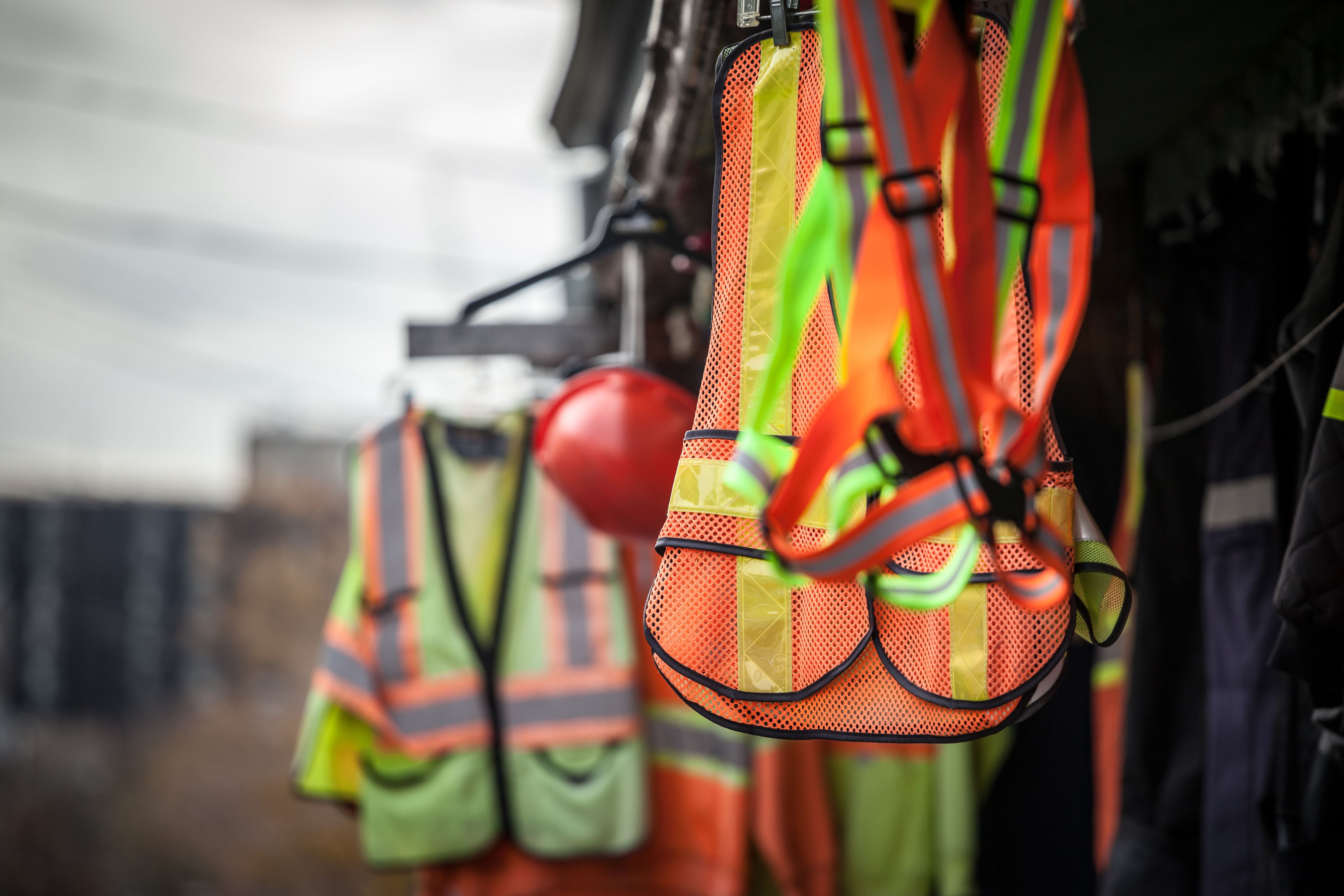
The use of technology has revolutionized the way safety measures are implemented. Smart sensors, automated systems, and Building Information Modeling (BIM) are just a few examples of technological advancements enhancing safety protocols.
For instance, smart sensors can detect fire and gas leaks in real-time, allowing for swift action and minimizing potential damage. Similarly, BIM helps in planning and visualizing safety features before actual construction, reducing errors and enhancing efficiency.

Training and Education
Continuous training and education for architects, builders, and facility managers are crucial for maintaining high safety standards. Workshops and certification programs are regularly organized to update professionals on the latest safety practices and technologies.
These educational initiatives ensure that everyone involved in the construction and management of buildings is well-equipped with the knowledge and skills required to uphold safety measures effectively.
Case Examples and Success Stories
Several Australian buildings serve as exemplary models of safety implementation. The Sydney Opera House, for instance, incorporates state-of-the-art fire safety systems and has undergone numerous upgrades to maintain compliance with evolving standards.
Another notable example is the Barangaroo development in Sydney, which emphasizes sustainable building practices alongside robust safety measures. These projects highlight the successful integration of safety and sustainability.

Conclusion: The Road Ahead
The journey towards enhancing building safety in Australia is ongoing, with constant innovations and updates to regulations. As technology advances and environmental challenges evolve, the focus remains on creating safer, more resilient buildings.
By continuing to prioritize safety and sustainability, Australia sets a powerful example for the global community, showcasing how effective implementation of safety measures can protect people and property while supporting long-term urban development goals.