
Case Study: Successful Implementation of Maintenance Coordination Services


Introduction
In today's fast-paced industrial environment, effective maintenance coordination is crucial for ensuring operational efficiency. This case study explores a successful implementation of maintenance coordination services, highlighting the methods used and the outcomes achieved.
The client, a large manufacturing company, faced challenges in maintaining equipment uptime and optimizing resource allocation. By partnering with a specialized maintenance coordination service provider, they were able to streamline processes and enhance productivity.
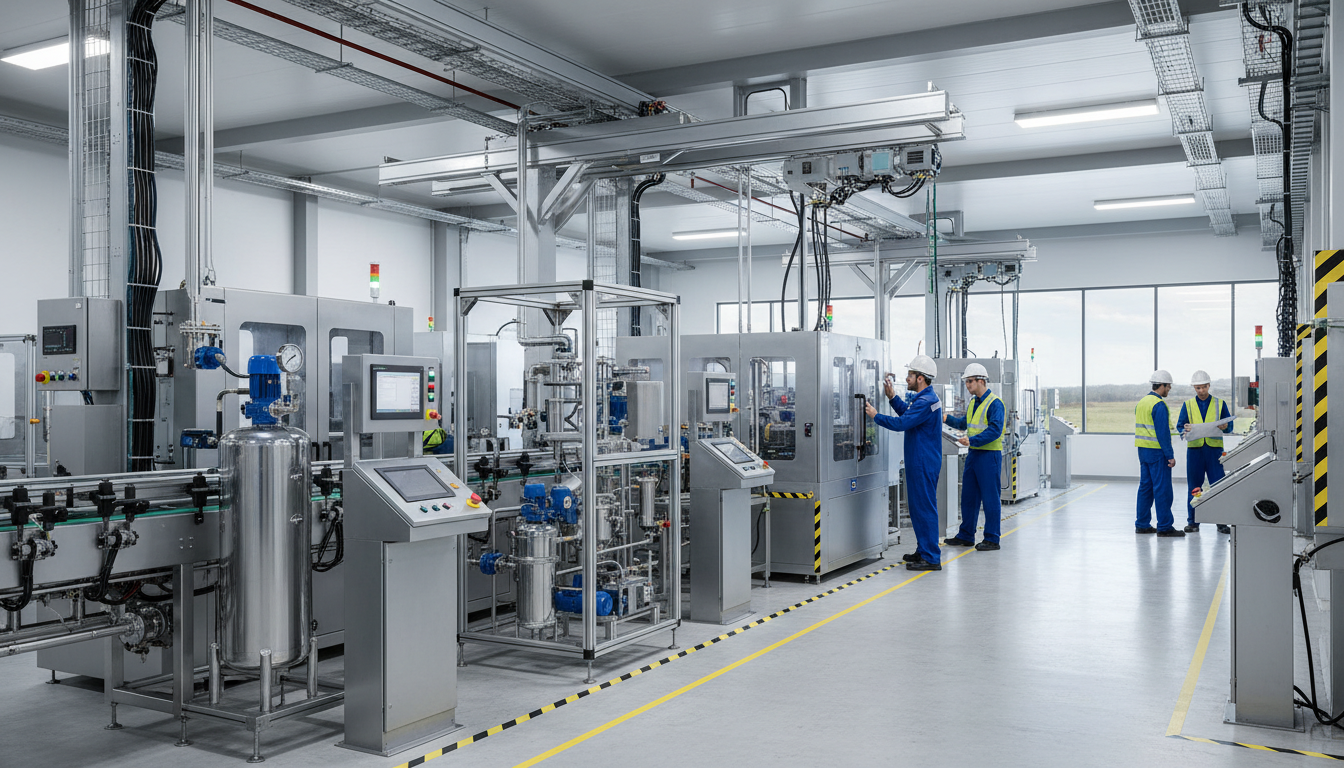
Challenges Faced
Prior to implementing the maintenance coordination services, the company struggled with several issues:
- Frequent equipment breakdowns leading to unplanned downtime
- Inefficient scheduling of maintenance tasks
- High operational costs due to reactive maintenance strategies
These challenges not only affected production schedules but also increased costs and reduced overall profitability.
Strategy and Implementation
The service provider began by conducting a comprehensive audit of the company’s existing maintenance processes. This involved analyzing equipment performance data and identifying key areas for improvement.
The next step involved designing a customized maintenance coordination plan that focused on:
- Implementing predictive maintenance techniques
- Optimizing spare parts inventory management
- Enhancing technician training and resource allocation

Technology Integration
Advanced technology played a vital role in the success of the implementation. The use of IoT sensors and data analytics allowed for real-time monitoring of equipment health, enabling predictive maintenance strategies.
This technological integration resulted in a significant reduction in unexpected equipment failures and improved maintenance scheduling efficiency.
Results and Benefits
The implementation of maintenance coordination services yielded impressive results for the manufacturing company:
- 35% reduction in unplanned downtime
- 20% decrease in maintenance-related costs
- Improved equipment lifespan and reliability
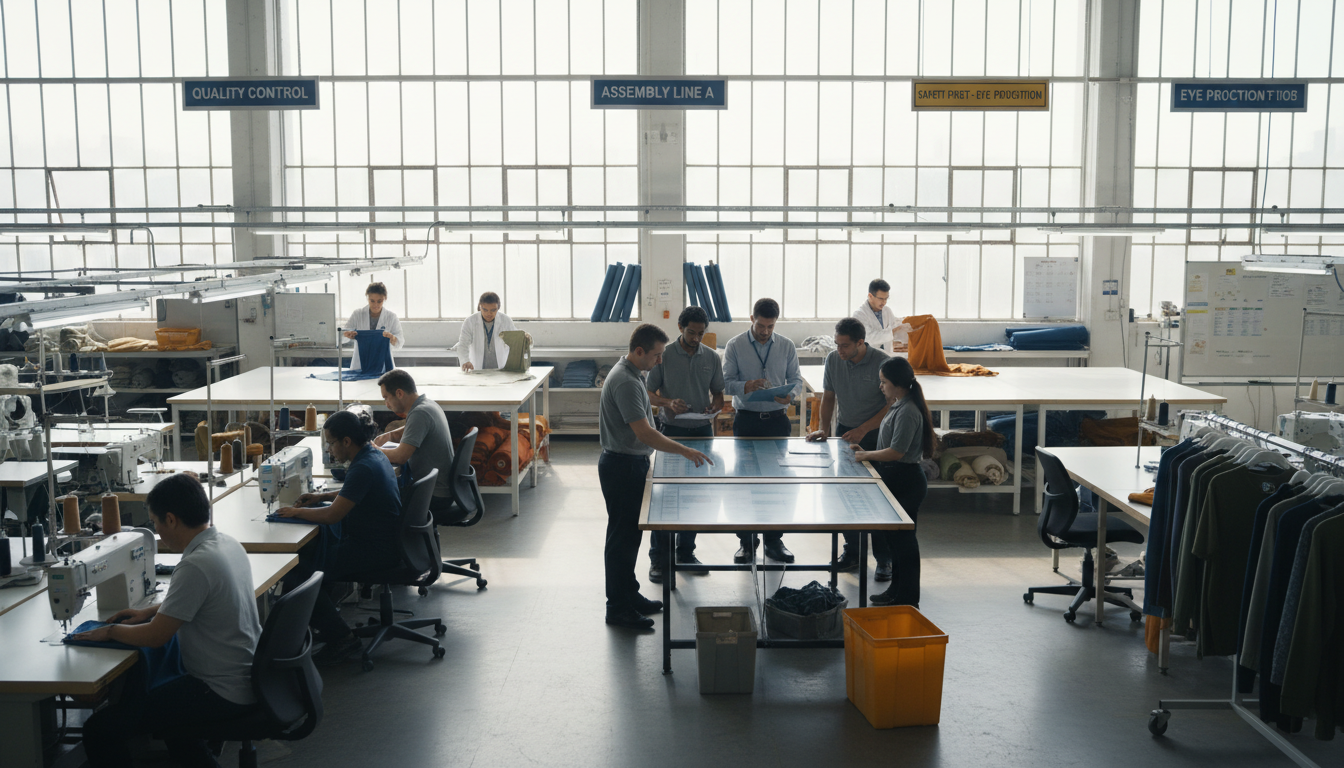
These improvements not only enhanced operational efficiency but also contributed to a more sustainable and profitable business model.
Conclusion
This case study demonstrates the transformative impact of well-coordinated maintenance services. By leveraging technology and expert strategies, companies can overcome traditional maintenance challenges and achieve substantial operational gains.
For businesses looking to enhance their maintenance processes, investing in specialized coordination services can offer a competitive edge in today’s demanding industrial landscape.