
Case Study: Successful Building Management Strategies in Australia


Introduction to Building Management in Australia
Effective building management is crucial for ensuring operational efficiency, tenant satisfaction, and long-term sustainability. In Australia, unique challenges and opportunities shape the strategies adopted by building managers. This case study explores successful building management strategies that have been implemented across various properties in the country.
Understanding the Australian Context
Australia's diverse climate and regulatory environment necessitate adaptive building management approaches. From the tropical north to the temperate south, each region presents different challenges in terms of energy use, water conservation, and tenant needs.
Moreover, Australian building codes and sustainability standards require managers to focus on eco-friendly practices. These standards not only aim to reduce environmental impact but also enhance the value and appeal of properties.
Strategy 1: Embracing Smart Technology
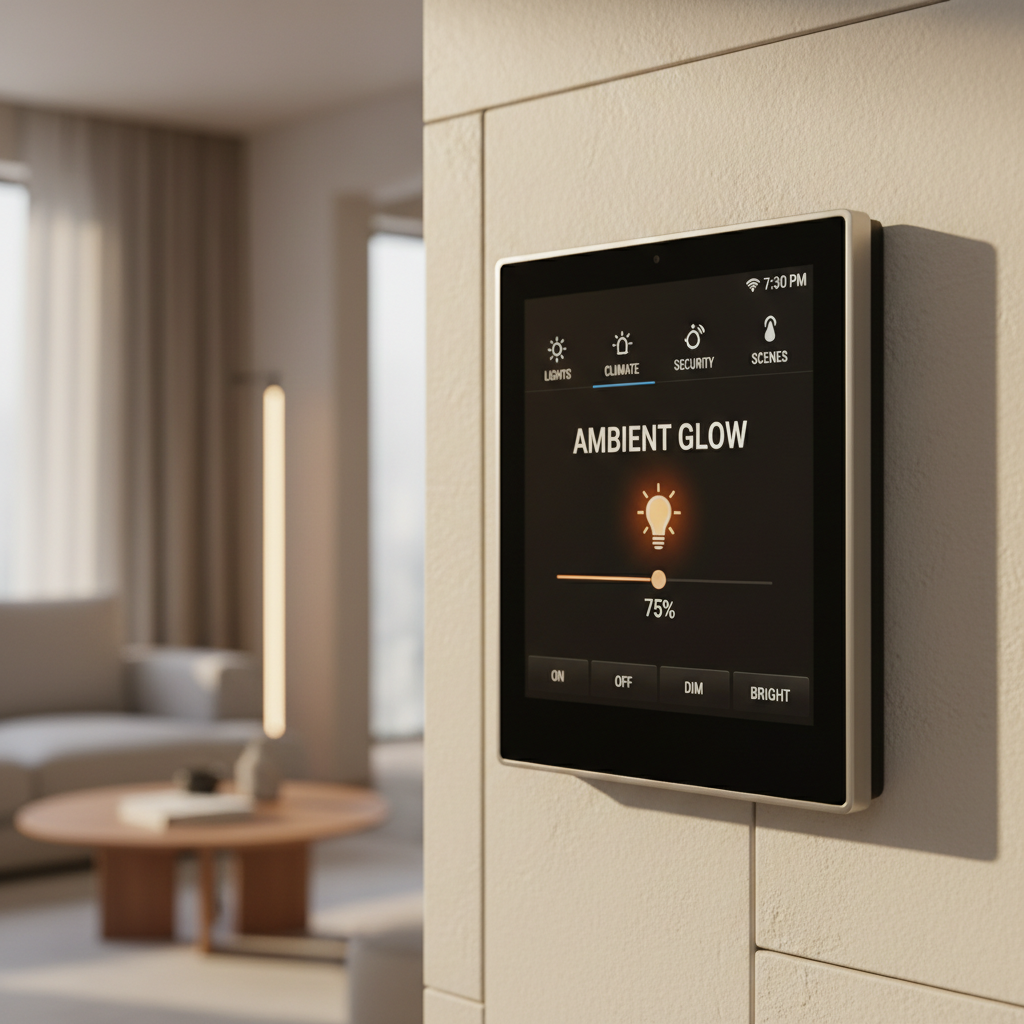
One of the most effective strategies in building management is the adoption of smart technology. Many Australian buildings are now equipped with Internet of Things (IoT) devices that monitor energy usage, climate control, and security systems in real-time.
These technologies not only enhance operational efficiency but also provide data-driven insights, allowing managers to make informed decisions and quickly address any issues that arise.
Strategy 2: Focus on Sustainability
Sustainability is a key focus for building management in Australia. Managers are implementing green initiatives such as solar panels, rainwater harvesting, and waste reduction programs. These efforts not only reduce the carbon footprint but also lead to significant cost savings over time.
Moreover, buildings that prioritize sustainability often attract environmentally conscious tenants, enhancing occupancy rates and overall tenant satisfaction.
Strategy 3: Enhancing Tenant Engagement
Successful building management also involves fostering strong relationships with tenants. Regular communication and feedback mechanisms are crucial for understanding tenant needs and preferences. Many managers use digital platforms to streamline communication and provide timely updates.

Case Examples of Success
Several Australian buildings have set benchmarks in management excellence. For instance, a commercial tower in Sydney implemented a comprehensive energy management system that reduced energy consumption by 25% within the first year.
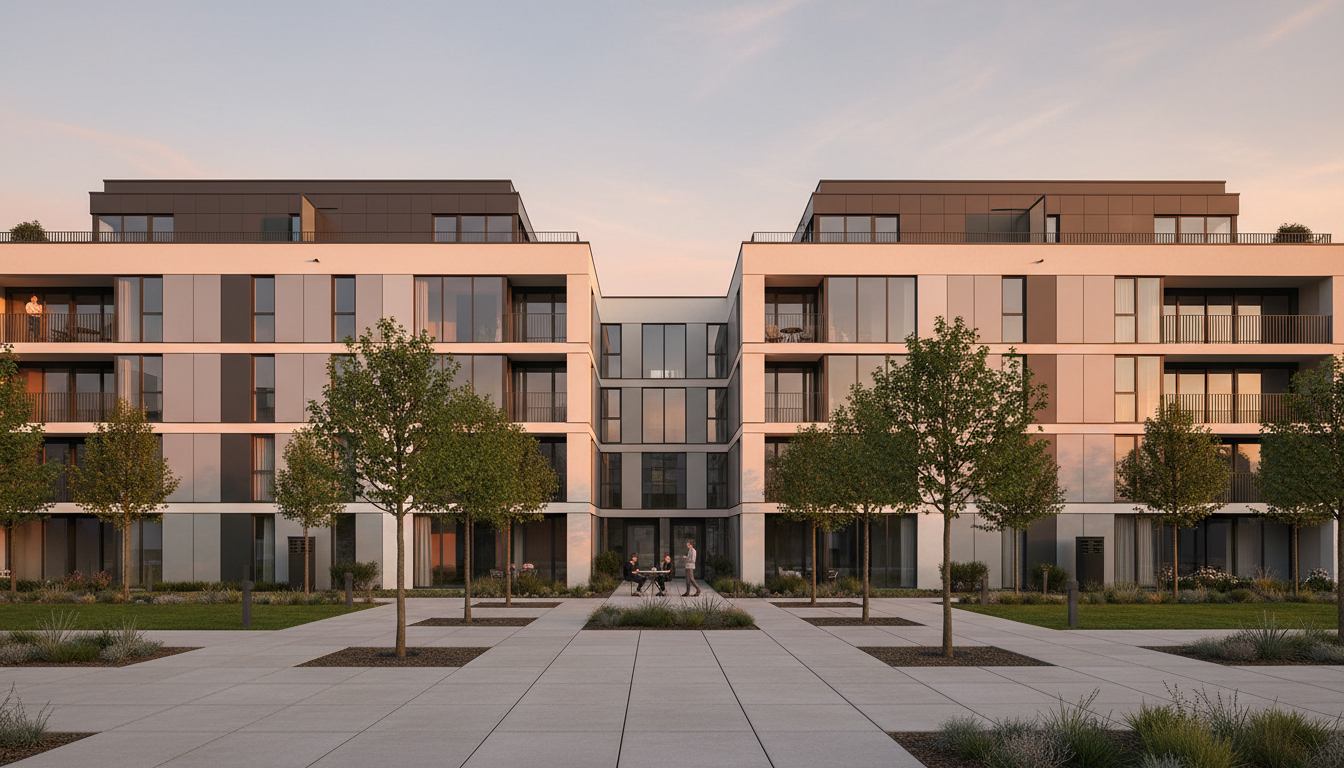
Similarly, a residential complex in Melbourne introduced community gardens and green spaces, improving tenant satisfaction and creating a vibrant living environment.
Challenges and Solutions
Despite the success stories, building management in Australia is not without challenges. Common issues include the high cost of technology implementation and the complexity of retrofitting older buildings.
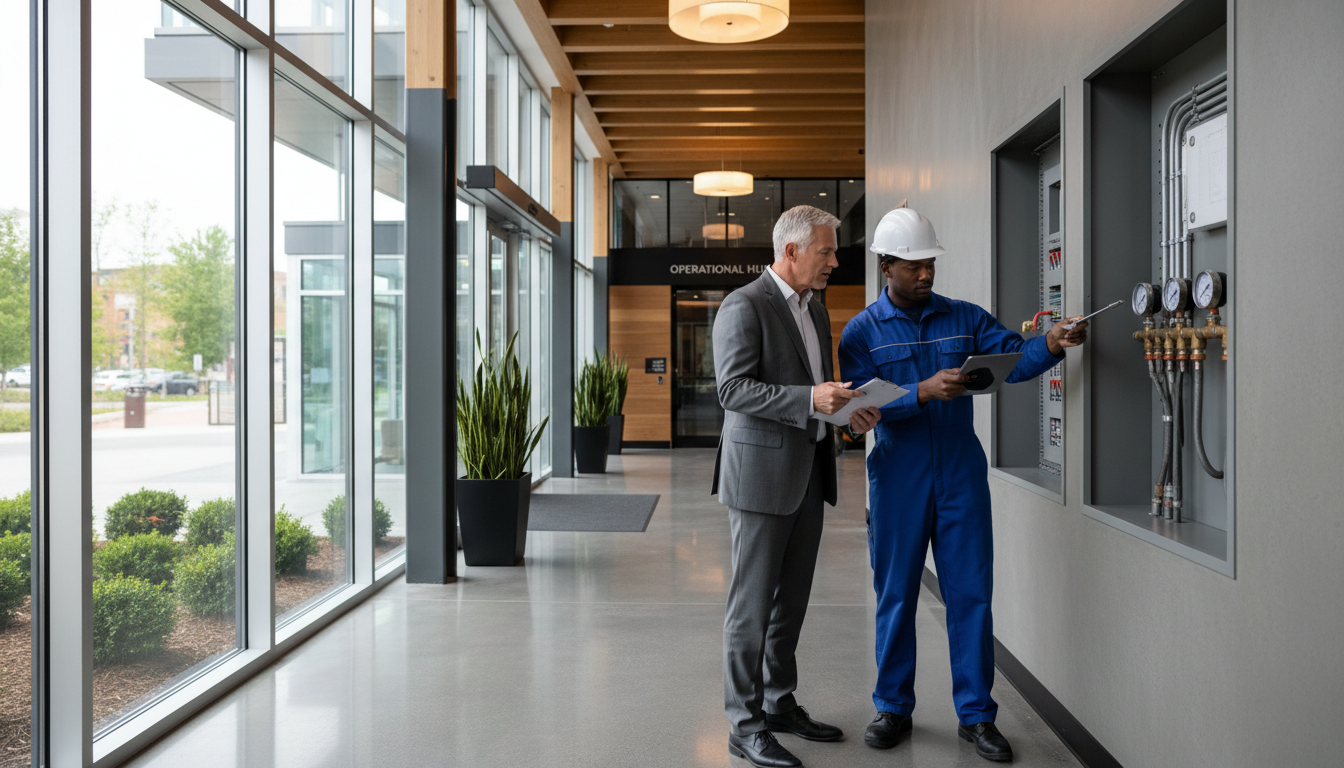
To overcome these obstacles, managers often seek partnerships with technology providers and government agencies to access funding and incentives. Additionally, phased implementation strategies help spread costs over time, making upgrades more manageable.
Conclusion
Effective building management in Australia requires a multifaceted approach that integrates technology, sustainability, and tenant engagement. By learning from successful case studies and overcoming challenges, building managers can ensure their properties remain competitive and appealing in the evolving real estate landscape.
As the industry continues to innovate, these strategies will serve as a foundation for future advancements in building management across the country.